Home / Fukuoka / Setakanotakanazuke
Setakanotakanazuke 瀬高の高菜漬け
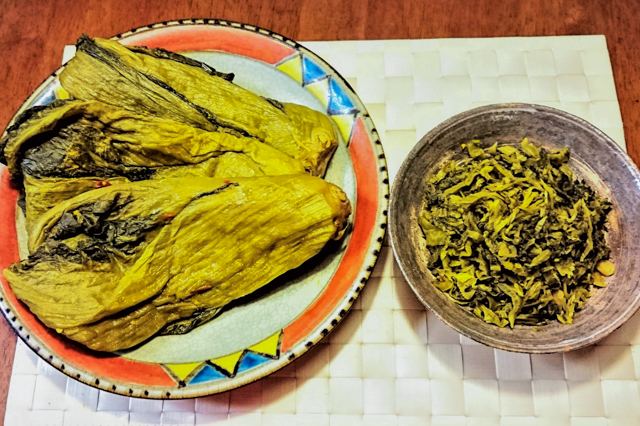
| Prefecture | Fukuoka (福岡県) |
|---|---|
| Region | Kyushu & Okinawa |
| Japanese name | 瀬高の高菜漬け(せたかのたかなづけ) |
| Reading | Setakanotakanazuke |
| Home area | I'm sorry. |
| Main ingredients | Hatabea |
History and Origins
A vegetable is a member of the mustard family and is characterized by the rich taste of leaves and stems. It was during the Meiji period that the distribution of vegetables began. Using a combination of a vegetable and a species from the Republic of China, a large - leafed, meat-sized "S three-sioned haiku" was born. Mizuzuzu Habea is a toothless species and is considered an excellent species for the balance of taste and aroma. In the latter part of the test, which grew at that time, especially in the city of Sugishi, Japan, there is abundant water, warm climate, fertile soil, and so on. Vegetables are still growing. A vegetable was named after growing to more than a meter. "Seed-tabed vegetable" has been highly prized as a nutritious food. It is eaten throughout the year, but even when the lactic acid extracts are added and refined, the moss will grow and taste better. Hatakes are counted in Japan's Three Beddies and represent the fitting leaves.
When It Is Eaten
It's common for regular meals throughout the year. Not only is it eaten as a cucumber, but it is also used extensively in various dishes provided in homes and restaurants.
How It Is Eaten
After I drop the vegetable sands, I'll arrange them in a container so that the leaves and roots are alternated. I'll peel the salt and pepper powder and then I'll step on it so it doesn't break open. I'm going to do it again with the vegetable in order to repeat the same process. When the tub is filled, cover it and put on a heavy stone. We will meet you at the end of the rainy season and will often sit at the table until you have packed the vegetables for the next season. When you eat it, you will have fine carvings, or shall I add scissors.
Recipe
Ingredients
- 6 kg hatabea
- 1 kg salt
- 50 g chili pepper
- 10 chili pepper
- 15 kg weight
- 100 g turmeric
Method
- I'll wash the vegetable and keep it dry for a day or two.
- The leaves and roots are arranged alternately in the tub, and the salt and pepper powder is rolled in each section and filled in so it doesn't have a gap.
- If you pile it up one by one, and fill it up with tubs, cover it with a lid and a heavy stone and cover it with a plastic.
- After about a week, I'll take a heavy stone, spill the juice on my side of the tub, and put the original heavy stone on the table again.
- It's about time we ate after the rainy season after the rainy season.
- When saving, I keep it under weight by adding water, ukon and pepper.
- Cut as closely as possible, cut and slice the sauce.
Dish data: Ministry of Agriculture, Forestry and Fisheries (MAFF), “Uchi no Kyodo Ryori” (Our Regional Cuisines) database, used under the Public Data License (PDL1.0); translated and adapted from the Japanese original.