Tansanmanjū 炭酸まんじゅう
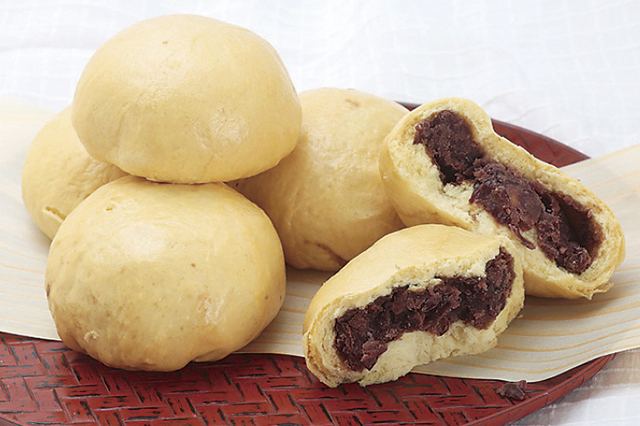
| Prefecture | Gunma (群馬県) |
|---|---|
| Region | Kanto |
| Japanese name | 炭酸まんじゅう(たんさんまんじゅう) |
| Reading | Tansanmanjū |
| Home area | All within the province. |
| Main ingredients | Cypriot |
History and Origins
The more you choose 100 mountains as the "Gooji Mountain," the more mountainous regions you will be. The soil is often made up of volcanic eruptions, such as volcanic ash, so the water is easily suited for producing crops. And since winter daylight is longer, there are many native dishes made from wheat and wheat that are easy to grow. One of them is a carpet of carbonic acid that is boiled over a dough made from flour. It adds soda to the fabric and is characterized by a mild, bitter taste. Unlike the modern day when various delicious foods are eaten, sweets used to be very rare. In the meantime, the sweet, delicious soda carpet with its precious sugar is said to have been loved as a special treat. They sometimes call it "smooth" or "shoes" or "shoes" or "shoeshoes" or something like that.
When It Is Eaten
Since it is a dish with rare sugar, it was provided as a welcome food for seasonal events such as fifteen nights and was eaten as a reward when farming was finished, which was a special treat. It's also said that it's used as an offering to ancestors. It's also possible to be eaten as a "moon-sun-sun-sun-sun" meal during farming.
How It Is Eaten
A carpet of carbon dioxide uses flour and soda, baking powder and sugar to make fabric. If you wrap the bowl in there, you'll be finished through the heat with a steamer. Besides being eaten all over the province, especially in the countryside and in the countryside, they are known particularly in the city and in the countryside, such as Tokyo and Osaka. In Kikichi, Japan, there is a rich menu made of such things as "Schiki" and "Niichiji" in Japan. There are also cases where you can put vegetables and rice in and turn them into steam, although you usually have a tight-knacked one inside.
Recipe — Serves 10
Ingredients
- 250 g cake flour
- 1/2 tsp baking powder
- 8 g baking soda
- 1/2 egg
- 50 g sugar
- 100 ml water
- Bean paste: 150 g azuki beans
- Bean paste: 150 g sugar
- Bean paste: 1 salt
Method
- I'll make you an aura. (There's no futuristics to wash the beans, put them in a pot, add plenty of water and put them in the middle.) The copper pot is recommended.
- (If you boil with a glade, you can get it off the fire, open it up to a monkey and spill it out.)
- Put them back in a pot, dip water until they are picked up, and put them in the middle of the fire. The volume of water is three times as high as that of beans. (When you boil, take a pot on the way and keep an eye on the bowl until it is soft.) I repeat three and a half times.
- If you become soft enough to crush the beans by hand, add two pieces of sugar to it. Cook it while mixing it to prevent it from burning. Add salt (if you can get water to form a conical shape).
- I'll make the carpet. Light powder and baking powder and soda are mixed.
- I put eggs and sugar in the bowl. (Increase the amount of water that you put in five powders, add a little water, and then rub the ear with it.)
- I'll roll and wrap them in a bowl and leave them at normal temperature for 20 minutes.
- I'll round up the thin fabric into tenths. I'll round it up to ten pieces. I dusted my hands, spread out round fabric, wrap a pot and roll it.
- We can place a box sheet on top of the steamer with a five-cm angle and then roll the dough on top of it. I'll use a steam - filled distiller to cover the lid with a sponge for about 12 minutes.
- If it's steamed up, we'll take it out to the monkeys and we'll get home.
Dish data: Ministry of Agriculture, Forestry and Fisheries (MAFF), “Uchi no Kyodo Ryori” (Our Regional Cuisines) database, used under the Public Data License (PDL1.0); translated and adapted from the Japanese original.