Oyakodon 親子丼
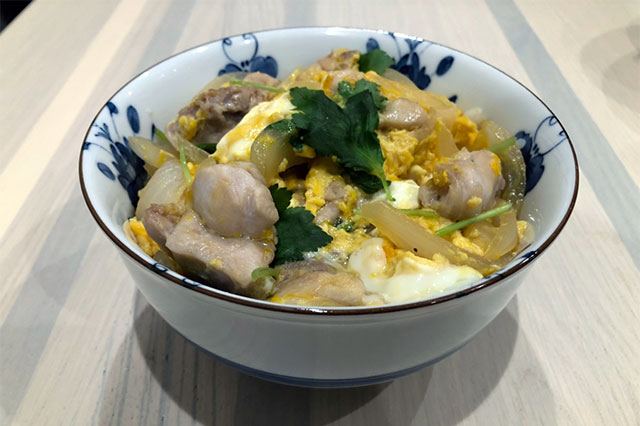
| Prefecture | Tokyo (東京都) |
|---|---|
| Region | Kanto |
| Japanese name | 親子丼(おやこどん) |
| Reading | Oyakodon |
| Home area | All over the city. |
| Main ingredients | It's not just meat, it's eggs, eggs, eggs, onions, sooty oil, lentils, and so on. |
History and Origins
The rice is boiled with a child's rice, but with soup and seasoning, chicken and onions are cooked with chicken and onions, and rice is served with raw meat with egg paste. Although there are claims to be various origins, in Tokyo, about 20 years later, there were guests who ate and ate the meat left in the chicken-bite in the chicken-bite with their eggs, and called this "father's soup." In the next 24 years, the wife of Hideki Hideki, fifth generation in Akio, was allowed to cook this rice easily and to cook it once a day. At the time, it was served as a pre-existent dish, and this taste became popular among the people, especially around ordered helmets, rice and Japanese bridges. In the family, chicken and chicken are now known as household food by the time they are ready to cook with the meat. But in the original egg, only chicken and eggs, which have the smell of soy sauce and garlic, are made the basis of the family's origin.
When It Is Eaten
Every year and every day at home.
How It Is Eaten
It's made into a pot, and the soup and flavors are served in the middle, and the chicken is served with meat onions, and the chicken is heated until the chicken is cooked. When the soup is boiling, the melted eggs are poured and half ripe and the fire is stopped. We hang it on a bowl of rice and scatter three leaves and eat it.
Recipe — Serves 2
Ingredients
- 150 g chicken thigh (一口大のそぎ切り)
- 1/2 tsp soy sauce
- 1/2 tsp sake
- 1/2 ) 1/2(100 g) onion
- 2 egg (軽くほぐすように溶く)
- 2cm) 4–5 mitsuba
- 100 ml dashi stock
- 2 cooked rice
- Seasonings: 1 tbsp soy sauce
- Seasonings: 1/2 tbsp sugar
- Seasonings: 1/2 tbsp mirin
Method
- Add a bowl of soy sauce and wine to the chicken, and add a low flavor to it.
- Put the sauce in the pot and add the flavor to it. When you get up, add the onions and chicken.
- I cook two to three minutes until the chicken meat is cooked, and I roll the eggs around the center of the pot like a circle.
- When the eggs close around them, they fire, scatter three leaves, cover them again, and water them for 30 seconds.
- Let's cook for the rice and have four for the rice.
More About Oyakodon
Oyakodon (親子丼), literally "parent-and-child donburi", is a donburi, or Japanese rice bowl dish, in which chicken, egg, sliced scallion (or sometimes regular onions), and other ingredients are all simmered together in a kind of soup that is made with soy sauce and stock, and then served on top of a large bowl of rice. The name of the dish is a poetic reflection of both chicken and egg being used in the dish.
History
The origins of oyakodon are subject to several theories, but one widely cited account traces its beginnings to Tamahide, a long-established gamecock cuisine restaurant in Tokyo. According to this account, a regular patron developed a habit of combining leftover chicken and warishita (the simmering sauce used for chicken and onions) with a beaten egg, serving the mixture over rice. This improvised dish came to be called "oyako-ni," meaning a stew of parent and child. The transformation into oyakodon as we know it today is credited to Toku, the wife of the fifth-generation owner Hideyoshi at Tamahide. In 1891 (Meiji 24), she reimagined this oyako-ni as a complete rice bowl meal, and this innovation is generally regarded as the prototype of modern oyakodon. At first, the dish was offered exclusively as a takeout option for delivery. However, demand grew rapidly among residents and workers in the Kabuto-cho, Yoneyama-cho, and Nihonbashi districts, who placed orders in great numbers. From these neighborhoods, the popularity of oyakodon eventually expanded beyond Tokyo and took root throughout Japan. The earliest written mention of the terms "oyako" and "don" in combination is in a newspaper advertisement for a restaurant in Kobe in 1884. The advertisement mentions dishes named oyakojōdon, oyakonamidon and oyakochūdon, possibly referring to different sizes.
Variations
Several other Japanese dishes pun on the parent-and-child theme of oyakodon. Tanindon (他人丼), literally "stranger bowl", is otherwise identical but replaces the chicken with beef or pork. A dish of salmon and salmon roe served raw over rice is known as sake oyakodon (鮭親子丼) (salmon parent-child donburi).
Text adapted from the English Wikipedia article Oyakodon by its contributors, licensed CC BY-SA 4.0.
Dish data: Ministry of Agriculture, Forestry and Fisheries (MAFF), “Uchi no Kyodo Ryori” (Our Regional Cuisines) database, used under the Public Data License (PDL1.0); translated and adapted from the Japanese original.