Monjayaki もんじゃ焼き
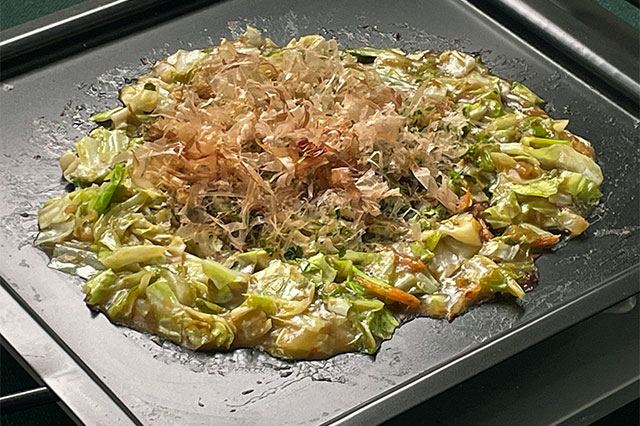
| Prefecture | Tokyo (東京都) |
|---|---|
| Region | Kanto |
| Japanese name | もんじゃ焼き(もんじゃやき) |
| Reading | Monjayaki |
| Home area | Moon Island and the entire city. |
| Main ingredients | I'm going to show you some of the things that you can do. |
History and Origins
It's a dish that mixs the ingredients with the flour melted with water and is baked with iron and eats the hot with each pot. In the 20th century, when food was a food problem, the children were generally accustomed to cooking simple rice with the flour melted and oil and syrup added. When supplies were scarce, children who had difficulty getting paper and writing tools had to learn how to write and play letters on iron plates with a melted dough in water. They were called "kids" and were turned into "mocks." During the postwar economic growth, children have evolved with tools such as cabbage, corn, and eggs, but at the same time, candy stores with which their children are associated are greatly reduced. Several houses of cinders were raised to retain the flavor they had been so close since they turned into grown-ups and so forth, and so on. It's essential to burn rice in the sink, iron plate and pot. Soy sauce is usually a little skimpy from the outside of the fabric, or a little bit pressed on the iron plate, so it is eaten, but now it is very rich in a variety of materials and can enjoy a variety of flavors.
When It Is Eaten
Although originally eaten as a child, Moon Island established its reputation as a town and is enjoyed and eaten daily with family and friends.
How It Is Eaten
The cabbage and red pepper will be cut into rough pieces. Hallcorns water well. The big bowls are filled with water, uster sauce and bar oil, mixed with sieve oil, and then mixed with thin flour and mixed well. Add cherry blossoms and fried eggs and mix them quickly. I'll heat the iron plate to 230 degrees Celsius. I'll get the salad oil, and I'll mix the tools lightly and then put it in. I'll cook lightly until the material gets a little bit fluff. We collect materials in the middle and make a hole in the middle of the walnuts. The fabric is poured in the center of the bowl, and the center is usually cooked for about two minutes until the whole fire is over. The whole pot is mixed with a pot, and the whole pot is thind with a pot. In the home, even a hot plate can be made.
Recipe — Serves 3
Ingredients
- Mix: 300 g cabbage
- Mix: 1 tbsp squid
- Mix: one ball of marble
- Mix: 1 tbsp dried shrimp
- Mix: 350 ml water
- Mix: 30 g wheat flour
- Mix: 1 tsp dashi stock
- Mix: 2 tbsp() Worcestershire sauce
- aonori seaweed, to taste
- 鰹節, to taste
- pepper, to taste
Method
- We'll cut cabbage into rough short books.
- The water of citrus B, flour, and Japanese rice is put in a bowl and mixed well.
- Add a Uster sauce with a <b>b> </ b> and mix it up.
- Put a tool on top of it.
- We can add oil to the heated hot plate and stir out only three tools.
- You can cut the materials into pieces and mix them together, like a pot.
- When the cabbage gets a little tight, we make a round doughnut-like mound and pour the dough into the middle.
- Wait until the fire passes, and when the surface starts to rise lightly, stir and spread the whole thing.
- If you like, you can put a blue button on it, put a pepper on it, and if it gets stuck on the back side, you eat it with honey.
More About Monjayaki
Monjayaki (もんじゃ焼き; often called simply "monja") is a type of Japanese pan-fried batter, popular in the Kantō region, similar to okonomiyaki, but using different liquid ingredients.
Ingredients
Like okonomiyaki, the base of monjayaki is wheat flour and cabbage, with additional ingredients like meat, seafood or mentaiko added according to the diner's preference. However, additional dashi or water is added to the monjayaki batter mixture, making it runnier than okonomiyaki. The ingredients are finely chopped and mixed into the batter before frying. The consistency of cooked monjayaki is comparable to melted cheese.
Diners eat directly from the grill using a small spatula. Monjayaki diners also participate in the cooking by spreading raw monja on the grill so that crispy bits form and caramelize. Many monjayaki restaurants can be found in the Tsukishima district of Tokyo where the dish is said to have originated. Most of these restaurants also serve regular okonomiyaki.
Text adapted from the English Wikipedia article Monjayaki by its contributors, licensed CC BY-SA 4.0.
Dish data: Ministry of Agriculture, Forestry and Fisheries (MAFF), “Uchi no Kyodo Ryori” (Our Regional Cuisines) database, used under the Public Data License (PDL1.0); translated and adapted from the Japanese original.