Negimanabe ねぎま鍋
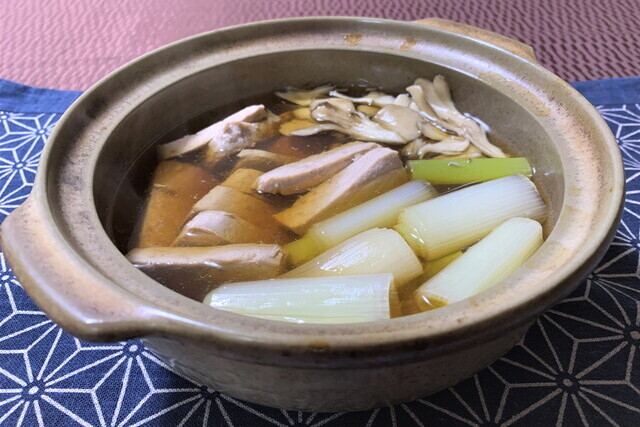
| Prefecture | Tokyo (東京都) |
|---|---|
| Region | Kanto |
| Japanese name | ねぎま鍋(ねぎまなべ) |
| Reading | Negimanabe |
| Home area | Cycling and Areas |
| Main ingredients | A bow, a bow, a bow. |
History and Origins
The "Scarf Cauldron" was cooked with soy sauce, the taste of a common citizen born in Edo. In modern times the oily belly called tro was a dish of Edo, which customers could not offer. The red part was served with soy sauce and sushi, but the fat part, such as the tro, didn't seem to be fit to save the pain quickly, so in those days when there were no refrigerators and no refrigerators, it was often cooked with heat. So, as the master who eats this fat body, and as he passed the fire through the tin and soy sauce together, it is said that the "shoepot" was born. Since Edo, seven rings have been developed that allow you to bring fire to the guests, as well as cooks and cooks as well as cooks, and dishes such as soup and stew have been highly prized. The way to eat easily with a small pot on a fire bowl is to go to the landscape where you cook on your current table-heat device.
When It Is Eaten
In the Edo era, it was made from a fat pot that was cheaply obtained from a fat body to prevent damage. In modern times, fat is more expensive, and the original pot is less difficult to make. In the Edo, we used to eat soy sauce, soy sauce and so on. But today, we can also make a pot of soup work.
How It Is Eaten
I'll cut the cucumbers into two-inch cuts and cut the bows in half. I put in a pot of earth, oil, and wine, and I put a bow in it while it's cold and I light it up. When I'm done, I'll put a bowl in and cook it for two minutes. Too much boiling makes me feel sick, so change the color. You may add seasonal vegetables and tofu. Fire the non-cutter into the food, and you eat it while eating it right before you eat. The onions will be different even if they are baked. If you have a hot-driven kitchen, it's delicious to eat with just a light heat. The hot tuna will fire well. Since it comes out of the cucumbers, it'll be fun to add some of the vegetables and rice to the dish and to the juice. If you add muscle and blood part again, it becomes gelatinous and delicious.
Recipe — Serves 4
Ingredients
- 4 green onion
- 400 g まぐろ
- 1 enoki mushrooms
- 2 cups dashi stock
- 4 tbsp sake
- 4 tbsp mirin
- 4 tbsp soy sauce
Method
- I'll cut the cucumber into one-centimeter slices. I'll cut the chicken into three centimeters. Cut the e-mail into easy-to-eat lengths.
- I'll cook your chicken, I'll cook your chicken, and I'll put your eye on it.
- I put the rice pot and seasoning in the pot, put the chicken in the cold, and put it on the fire.
- When I'm done, I'll put a bowl in it and I'll boil it.
More About Negimanabe
It's a kind of pot dish. It's a Japanese dish cooked with soy sauce, Japanese wines, rice juices and sauces.
It's sometimes referred to as "onoma."
Overview
In haiku, the subject of the winter season.
After the late Edo weather preserves, the tuna were eaten, and the red was preserved mainly in soy sauce. As a part of this storage method (the soy sauce, as we call it, a fat poul) that returns oil, it cannot be used for guests' food, and the surplus that rots is either turned into fertilizer or discarded. However, the local people are good at making this, cooking it, and boiling it with onions.
I make a soup or a soup or water, and cook it. I'll take the right cut tuna on top of it and eat it with my favorite stew. The smell of the tuna comes in, the fat of the tuna and the flavor of the tuna change, and both taste good. You can shake the groundhogs, stir the peppers, and put the peppers in.
If you have less fat like red, it's a delicious dish to use when you boil it and it's a poor taste and it's considered too expensive to be born with.
Source of the Language
There are stories about the meaning of the "scarlet" of the "scarlet."
I'm going to tell you about the story of tuna that's in the bowl, and I'm going to tell you that it's because it's the story of the tuna that's being put in the bowl, and it's the story that it's the story of the tuna that it's the story of the fish that's the story of the fish that's the story of the fish that's the story of how the fat of the tuna has been transferred and the fish that comes from eating during eating the onions. It's said that he used tuna meat in a pot with a stick between his onions.
Culture
There are things like the word "sai" and the subject.
I'm sorry, I'm sorry.
A footnote, a source.
Text adapted and translated from the Japanese Wikipedia article 葱鮪鍋 by its contributors, licensed CC BY-SA 4.0.
Dish data: Ministry of Agriculture, Forestry and Fisheries (MAFF), “Uchi no Kyodo Ryori” (Our Regional Cuisines) database, used under the Public Data License (PDL1.0); translated and adapted from the Japanese original.