Home / Kanagawa / Ishigakidango
Ishigakidango 石垣団子
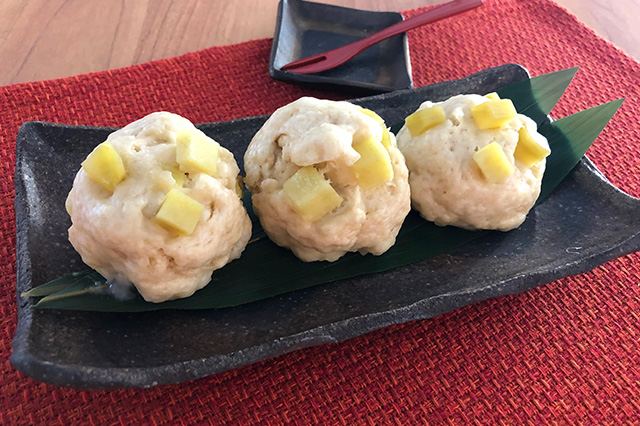
| Prefecture | Kanagawa (神奈川県) |
|---|---|
| Region | Kanto |
| Japanese name | 石垣団子(いしがきだんご) |
| Reading | Ishigakidango |
| Home area | Saitohara City |
| Main ingredients | It's not just dust. It's dust. |
History and Origins
It's a native dish in the Sasabria region that has stuck its claws in the ground dust. It's a piece of raw food that has a natural flavor and a simple taste. In the Sasquito, where the land was covered with volcanic ash, there were so many wheat and straws growing, and the ground and the fish were very close to the local people. We used to call it a light day between farm work and farm work, but Ikes have also been known to be used as a place to enjoy without spending money on food that is close to us. It's said that the area around it has many stone walls and that the dice-like hooks look like a stone wall, so it's called "the stone hedge."
When It Is Eaten
It's no wonder that the ground harvest season is eaten from the end of summer to the winter. Gemstones are easily attracted by insects, so they are difficult to save and are eaten at a time when they can enjoy the dust.
How It Is Eaten
I'll cut the leather off into dice. I'll put water in the flour with baking powder, sugar and salt and then I'll pour sweet potatoes and round it. It's a steamer that's steamed and finished.
Recipe
Ingredients
- 100 g sweet potato
- 250 g local wheat flour (all-purpose flour)
- 1/2 tbsp baking powder
- 1 tbsp sugar
- 1/2 tsp salt
- 100 ml milk
Method
- After we cut it into a little bit of water, we'll give it to the monkey.
- (Don't be too concerned with ground powder, baking powder and sugar combined to make it twice, and to make it melt with water or milk.)
- Put a stick in it, mix it well, and round it to about ten.
- I'll fill the steamer with soap, cover the coral, and then add another pinch to the bowl for 20 minutes.
- When it's steamed up, I take out all the soap and turn it over the monkey. When you take each out with your hands, be careful because it's more fragile.
- One of them is 60 grams.
Dish data: Ministry of Agriculture, Forestry and Fisheries (MAFF), “Uchi no Kyodo Ryori” (Our Regional Cuisines) database, used under the Public Data License (PDL1.0); translated and adapted from the Japanese original.