Home / Hokkaido / Bibaiyakitori
Bibaiyakitori 美唄やきとり
| Prefecture | Hokkaido (北海道) |
|---|---|
| Region | Hokkaido |
| Japanese name | 美唄やきとり(びばいやきとり) |
| Reading | Bibaiyakitori |
| Home area | The Kasai City. |
| Main ingredients | It's a very simple process. |
History and Origins
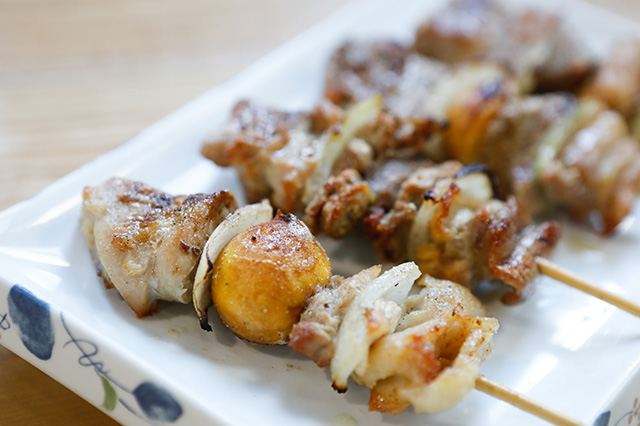
A beautiful city between Sapporo City and Asahikawa City. The western part is a low zone of stone hunting plain and is famous for its number of shallows in the road. And the eastern part of the country was a mountain range that continued on the mountain slopes in the Andes, once flourished as one of the largest coal mines in the country, and was filled with coal miners. It is said that the coal miners of that time liked to eat it, but it was the "Song and the Stake." Today, the "Crime Stake" is still eaten as a local soul food and is eaten by a wide range of generations, from children to adults. It is said that about the time of the birth of the Japanese festival, about 30 years ago, the third ship, Fukutaro, who had a trapper stand in the city of Shireong, was invented. At that time, at a souvenir shop, he threw away an internal organs and skin other than meat, which he thought was too waste to see. Motuzu is said to have become popular with the locals, including coal miners, and it has become popular as a "magnificent hunter." Even now, the "mongs and thongs" are referring to the "mots" that were burned in a bowl with various parts of the chicken's head, skin, inner eggs, and internal organs. It's also characteristic of the use of occasional bows instead of long hair. The reason for this is that the area around the city where agriculture is growing is also famous as a breeding ground for cucumbers and can be relatively cheap and qualityy.
When It Is Eaten
It's been said that during the Pioneering days of Meiji that each family had their cherished chickens left on a special hare day. It is still provided at liquor stores and shops, but many are eaten at parties and even at the Memorial, and many are ordered and brought back to the store.
How It Is Eaten
The "Song and Stake" with the mops is characterized by the taste of salt, not long hair, but the use of a lore. It's common to use skin at the base and then stick the garlic in the end. If you cook it, it will increase the sweetness of the chicken and the chicken pines will match well and bring out the flavor. In the local community, it is said that you order food dishes by the side, and enjoy putting "Song and Scho" in them.
Recipe
Ingredients
- Mix: 50 g 鶏皮
- Mix: 1/2 onion
- Mix: 50 g 鶏レバー
- Mix: 100 g chicken thigh
- vegetable oil, to taste
- 2 tbsp sake
- a pinch salt
- a pinch pepper
Method
- A is cut into smaller ones.
- Chicken skin, chicken skin, chicken skin, leevers, sand livers, chicken cheese, and so on.
- Heat salad oil in a fried pan and put two in and cook it until the fire is over.
- Put in a drink and shake salt and pepper when you're tired.
Dish data: Ministry of Agriculture, Forestry and Fisheries (MAFF), “Uchi no Kyodo Ryori” (Our Regional Cuisines) database, used under the Public Data License (PDL1.0); translated and adapted from the Japanese original.