Dagojiru だご汁
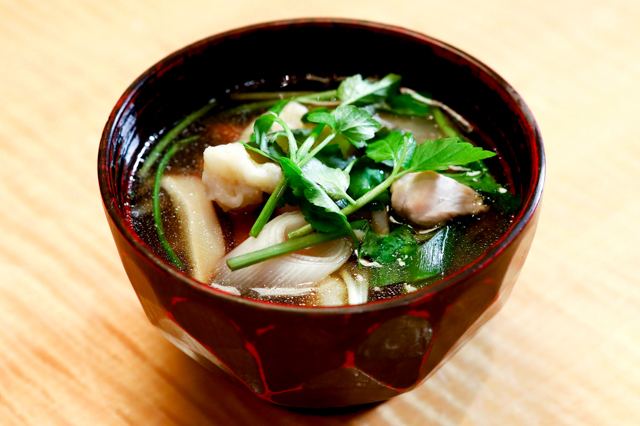
| Prefecture | Kumamoto (熊本県) |
|---|---|
| Region | Kyushu & Okinawa |
| Japanese name | だご汁(だごじる) |
| Reading | Dagojiru |
| Home area | All within Kumamoto Prefecture. |
| Main ingredients | (Singing) |
History and Origins
The "Cymbal" refers to the juice that is mixed with water and has been sleeping for a while and has been hand-striped with seeded dumplings. It contains seasonal vegetables, such as lily, rice, and so on. Since it's easy, nutritious, and hungry, old times have been used to eating between agricultural and agricultural times. "Snake" means "acid coral" in the bear's language, and it is also called "geo soup." It is eaten in general by Kyushu, but in Kumamoto, many areas use coral, coral, and chrysanthemum. There are also a lot of delicious foods that are wrapped around raw fish, such as the "Kumamoto City" and "Kumamoto City" and "Snap" with a soft flavored taste, and "The Fabulous" with a thick mixture of black and black sugar. In some places it's not a dumplings, but it's an extension of the fabric like a silkworm. It's also fascinating to have different materials and ways of making them depending on where you live and how you live. There are a lot of places that we offer to eat and drink, but the 57 national road to which the store provides "Snake" is called "Snake Street."
When It Is Eaten
We sit at tables throughout the year, especially in winter, when the eve of winter, it's time to harvest the potatoes and beans, and it's also on the menu of the restaurant as a seasonal dish. Many recommend a combination of vegetable dishes.
How It Is Eaten
We can use dried or boiled salts to extract the juice and make it with flour, white or soy sauce. In some places, materials include such things as potatoes, beans, carrots, cabbages, and other things as chicken, clams, and mountain vegetables.
Recipe — Serves 10
Ingredients
- 100 g niboshi (dried sardines)
- 10 dried shiitake mushrooms
- 1 burdock root
- 300 g(4) taro
- 1 carrot (中)
- 300 g wheat flour (all-purpose flour)
- 150 g glutinous rice
- 100 ml light soy sauce
- 1200 ml(×) water
- green onion, to taste
Method
- I'll put the dried grain back in water.
- Put water and salt in the pan and put it on the fire.
- After boiling, I'll give you a boil after a while.
- I'll cut the large daisies and dry them in pieces. The lily potato cuts large and the carrots cut.
- I'll cook it in a pot, dry it, resuscitated potatoes and carrots in order of soup.
- I can pick up the flavor with a soft-mouthed oil.
- Add flour and rice flour to excess, and boil to the hardness of your ears and make dumplings.
- If the lily potato is cooked, I'll put in seven dumplings and let them boil.
- I'll try again to taste it.
- After you're done with the bowl, you can make a small-sniffed bow.
More About Dagojiru
Soy sauce is a native dish of Oita Prefecture. It's eaten all over the province.
Overview
It's made of flour, a flat soy sauce, and put it into the juice of the sauce. In the juices are goobows, carrots, sea horses, pork and so on. It's like pig juice. Tastes are used with flour, and spices are used by daisies.
This coral is a salt water dough that has become as hard as ears, and once it has been laid, the dough has been torn to the size of a thumb and shaped into a single flat-nut-like shape. I'm told that reaching out improves teeth and makes the soup easier to bind. In some areas, it's not soy, but it's literally a stretch of torn fabric that uses coral.
In large areas, the plains were scarce, the old rice didn't grow as much, and the wheat grew better. So, there were many wheat dishes and processed goods made. In it it is common food, and it can be eaten on a dull day, if you like it, and it's a noodle food, but it's a near - to - noodle food.
And if you put a little powder and sugar in this noodle-like "silica," it will produce a Oita Prefecture native dish. The thin sea horse is eaten extensively in the province and is also used as a gift for the Nirvana party, the bonsai and the seven-sevens.
Text adapted and translated from the Japanese Wikipedia article だんご汁 by its contributors, licensed CC BY-SA 4.0.
Dish data: Ministry of Agriculture, Forestry and Fisheries (MAFF), “Uchi no Kyodo Ryori” (Our Regional Cuisines) database, used under the Public Data License (PDL1.0); translated and adapted from the Japanese original.