Home / Fukuoka / Gamenohamanjū
Gamenohamanjū がめの葉饅頭
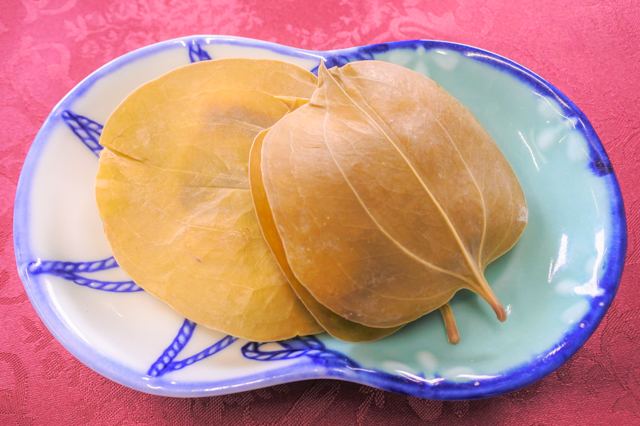
| Prefecture | Fukuoka (福岡県) |
|---|---|
| Region | Kyushu & Okinawa |
| Japanese name | がめの葉饅頭(がめのはまんじゅう) |
| Reading | Gamenohamanjū |
| Home area | Fukuoka Prefecture North. |
| Main ingredients | The leaves of the fresh powder, the peas of the leaves. |
History and Origins
At the end of the verse, they are both born and are known as children. In the last verse, it is common to eat a "scroll" but because Fukuoka Prefecture does not have its own spinnery leaves, it is based on leaves made from the leaves of the rosewood as an alternative. "In northern Fukuoka Prefecture, it's called a turtle and a pontoon and because it is a leaf that resembles its cover." It's thought that the name came from wrapped in leaves, and it's also known as "Massai" by the name. The leaves on the palm have a thick, bearded root and round leaves, and they're called salriy rose because they're so densely stuck with even monkeys.
When It Is Eaten
When it comes to the May verse of the old calendar, I pick up the leaves and say, "I'll make the leafhead of the rainbow." We also make it during the August bowl or during the Eyun festival, when we pray for the healthy growth of the baby. It can be made not only during the festival but also between the rainy season and the fall of the leaves. There's also beans and lentils in there. When they are caught in autumn, they are kept in dry season with the berries of the winnowing plant, lighted with mills, and stripped of their shells and skin. Also, if you boil and dry the winch, it will be useful when you use it.
How It Is Eaten
Keep the little beans in place, make the dough, add salt and water to the powder, and then use your hands to steam the skin until it is as hard as the ears. I'll make the steamed stuff turn into a sieve while it's hot. When you get the heat off, wrap it up and soak it in the leaves of the palm. When you spread out the fabric, if you thin the edges as best you can, the weight will be thind when you wrap the peas.
Recipe
Ingredients
- 200 g joshinko rice flour
- 160 ml lukewarm water
- a pinch salt
- 1 tbsp potato starch
- 80 g water
- 200 g こし餡
- 20 がめの葉 (サンキラ)
Method
- Put the powder in the bowl, add a little bit of boiling water, and then fold it to the hardness of the ear.
- We place a sticky frickin on the steamer, we rip the skin in pieces, we place it on a flat floor, and we water it for about 25 minutes.
- If you break it and it doesn't white, it'll make the bowl look like a bowl while it's hot.
- Add salt, powder, and water to one another on the way.
- When it turns into a sponge, it can be cold water once, heat itself, and then it can be broken again by ten pieces, and then it can be torn in the palm of your hand, and then it can be steamed with the leaves for about 78 minutes.
More About Gamenohamanjū
The traditional Japanese sweet of Fukuoka Prefecture.
Main Archdiocese
North of Fukuoka Prefecture.
Mainly for food.
The leaves of the peppers, the peas of the peas.
Overview
A local dish eaten in a region centered around northern Fukuoka Prefecture, often made during the last verse and has been known as a child. Since the leaves of the cygnus used in common chows were not grown naturally in Fukuoka Prefecture, it is assumed that the leaves of the Sankila salriyala could be replaced.
The name "the snake" is a local term for pygmy and because the shape of the leaf resembles its cover, it came to be called "the leaf of the eye." Also called "The House" by the plant's nickname Saltari rose. Since this plant is so rich and the monkeys can get caught, it is said that it has the name "Salriy rose."
The time of the meal and the events.
In addition to being built mainly in harmony with the May phrase of the old calendar, it also has been set up as an event for August plates and babies to grow healthy. Also, when you can pick leaves from Sankila, they can be made as tea offerings between farms. Koo-o-o-o-o-o is common, but sometimes it is mixed. A silkworm will be stored as a "winter's apple" during harvest and will be used for processing.
How to Cook
Add water and salt to the powder and water the dough until it becomes condensation while it is hot. After the heat has gone down, it's wrapped in a bowl, and it's stuck in the leaves of the sanquila and then it's resuscitated. It's a process that's used to make a delicious finish by stretching and wrapping the edges of the fabric thin.
Tradition
It's still made by home, and before the last verse, it's sold at local registry and Japanese candy stores.
Text adapted and translated from the Japanese Wikipedia article がめの葉饅頭 by its contributors, licensed CC BY-SA 4.0.
Dish data: Ministry of Agriculture, Forestry and Fisheries (MAFF), “Uchi no Kyodo Ryori” (Our Regional Cuisines) database, used under the Public Data License (PDL1.0); translated and adapted from the Japanese original.