Imobota いもぼた
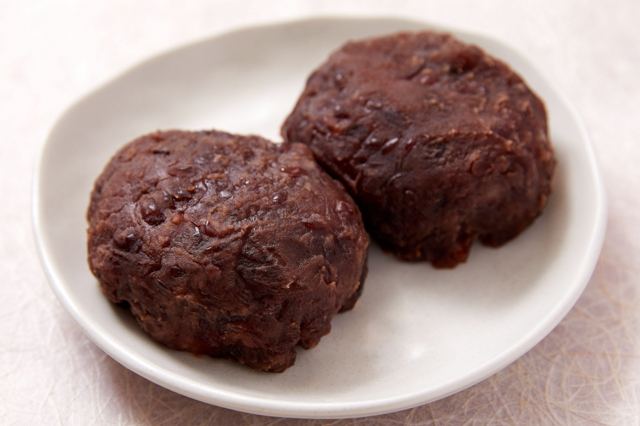
| Prefecture | Nara (奈良県) |
|---|---|
| Region | Kinki |
| Japanese name | いもぼた |
| Home area | All within the province. |
| Main ingredients | We've got rice, we've got lily, we've got potatoes, we've got beans. |
History and Origins
The "knit" is a chicken with a lily. The value of rice makes it like a bowl made from rice, added to the rice sauce, and stuck to the resame rice. It's the wisdom of the farmers who treasure rice. It's good to digest a lot of food, so it's hard to get stomach damage. Nada's "swing" is characterized by the use of a lily potato. Nara Prefecture was used by the local native potatoes because of the abundance of rice paddies and the growth of lily potatoes.
When It Is Eaten
It is said that if you eat a chicken on November's Day after the harvest, you will get all the disease. And since she has more than five children at one time, it is said that women are fertile, it is also called "the chicken." In Nara Coast level, besides "The Sun of the Sun," you will have a "The Sun" on your shores, fall festival, and other celebrations, on your grave or Buddhist altar. In some areas, they are eaten on "The Day of the Sun," which is made from peas and blue beans.
How It Is Eaten
Since it's made only of rice and salmon, it's easy to enjoy the soft and attached flavor when it's cold.
Recipe
Ingredients
- 2 cups rice
- 200–250 g taro
- 2.4 cups water
- 1 tsp salt
- 200 g azuki beans
- 200 g sugar (小豆用)
- a pinch salt (小豆用)
Method
- I cook it with rice, salt, and water that I washed with a small cut on the skin. I'll put the cooked rice in a bowl and saw it well until it's gone.
- The crushed rice is wrapped in a mold and wrapped in beans.
- (I'll wash the citrus citrus beans and put five times as much water in them. When they start boiling in the fire, I'll have to pull them out of the fire and cut them off while I'm boiling the soup.) Add water again and boil it until it's soft, add 200 grams of sugar and a little salt, and then paste it and make a grain pepper.
Dish data: Ministry of Agriculture, Forestry and Fisheries (MAFF), “Uchi no Kyodo Ryori” (Our Regional Cuisines) database, used under the Public Data License (PDL1.0); translated and adapted from the Japanese original.