Imotako いもたこ
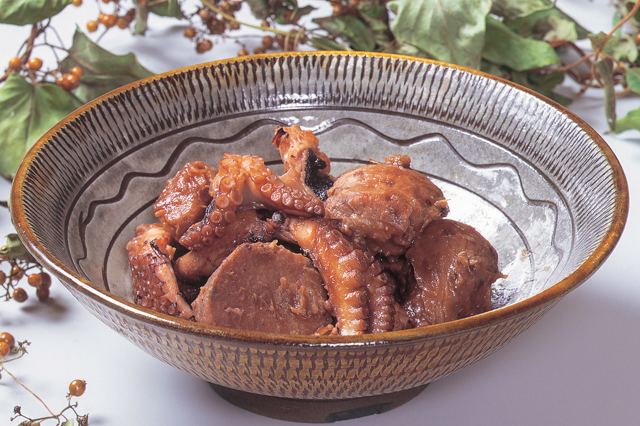
| Prefecture | Kagawa (香川県) |
|---|---|
| Region | Shikoku |
| Japanese name | いもたこ |
| Home area | All within the province. |
| Main ingredients | Tacos, lily potatoes. |
History and Origins
A "Koji" is a simple native dish with fresh octopus and a lily potato on it in the Inland Sea, with a distinctive combination of sea and sea. The octopus used is commonly used by the length of the octopus, but in the Inland Sea, several species of octopuses can be caught throughout the year. It is said that the octopus in the Inland Sea has a sweet taste in order to grow with nutritious food, as well as shellfish and shrimps and crabs. Also, the balance of proteins, vitamins and urin has helped recovery from fatigue and has long been known as the standard food. In the province, the potatoes were grown in many plants, and the steamed potatoes were once highly prized as children. The fact that we planted them in a corner of the country also means that they're also called "Ta-da." Contrary to the potatoes, they have been used as a symbol of fertility for festivals and New Year's Eve and for Hale's Day.
When It Is Eaten
Once eaten on New Year's Day, such as wedding, but now it can be made on a regular basis.
How It Is Eaten
I've salted the octopus, and then it'll boil quickly. The lily potato cuts into its small mouth and takes the salt from it. I'll add flavor to the pot, cut octopuses and resames to it. I'll go into the bowl as a bowl of rice and wine.
Recipe — Serves 4
Ingredients
- 800 g taro
- 500 g octopus
- 300 ml dashi stock
- 40 ml dark soy sauce
- 50 g sugar
- 1 tbsp mirin
- 1 tsp sake
Method
- The octopus might be salt, a quick boil, and cut to the right size.
- The rri potatoes are peeled, cut into small mouths, and keep the paste with salt.
- It's in a pot, and it's in a soup and a seasoning, and it's boiling, and it's served with an octopus and a lily potato, and it's cooked with a weak fire until the resame is soft.
Dish data: Ministry of Agriculture, Forestry and Fisheries (MAFF), “Uchi no Kyodo Ryori” (Our Regional Cuisines) database, used under the Public Data License (PDL1.0); translated and adapted from the Japanese original.