Kirasumameshi きらすまめし
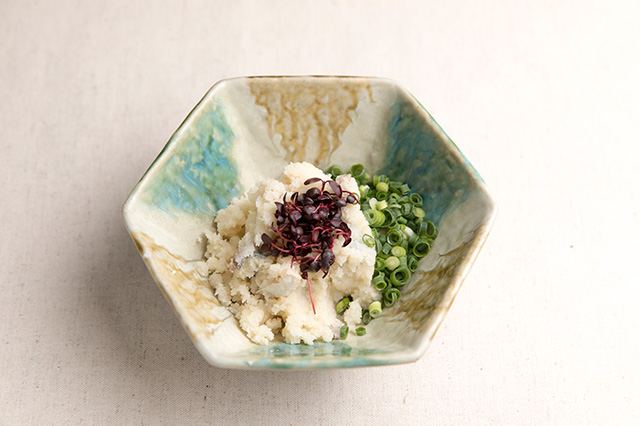
| Prefecture | Oita (大分県) |
|---|---|
| Region | Kyushu & Okinawa |
| Japanese name | きらすまめし |
| Home area | Miyagi. |
| Main ingredients | I'm going to have to do it. |
History and Origins
(in the south of Oita Prefecture, it's in the south of the Great Asteroid Sea.) To the east, it comes in the Bay of Miyagi, which faces the rear water, and to the southwest, mountains such as Mount Sung-Dai are spreading. Fisheries have been in the coastal communities for ages, and there is a single fishing, rope, and small bottom net. Special products include fine fish, bludgeon, fugu and so on. "Singing" is the native dish of Miyagi, which is called "yaki" and "yaki" Unlike the popular winter dishes, which are known as "yakis" and hospitality dishes, the "snacking" has been eaten for the past year. In the middle of Edo, he was often in financial trouble. It's called "sniffing" that was created. After the rest of the knife or fish was dropped, the fall was added by a layer of lentils. Although it was a thrifty dish, it was rich and loved by the poor. In Miyagi's dialect, it is said to be "no" and "no" and "no" and "no" and "no" and "no" and "no" and "no" and "no" and "no" and "no" and "no" and "no" and "no" and "no" and "no" and "no" and "no" and "no" and "no" and "no" and "no" and "no" and "no" and "no" and "no" and "no" and "no" and "no" and "no" and "no" and "no" and "no" and "no" and "no" and "sy" and "sy" and "s" and "s" and "s" and "s" and "s" and "s" and "s" and "s" and "s" and "s" and "s" and "s" and "s" and "s" and "s" and "s" and "s" and "s" and "s" and "s" and "s" and "s" and "s" and " In the old days, merchants and the elderly from the mountains are said to have enjoyed eating "swallowing" the greatest.
When It Is Eaten
It is eaten at home throughout the year in Miyagi, but since it is especially essential for the sight of flowers, it is often served as spring's dish. And I'll give it to the most important customers.
How It Is Eaten
I'm going to put the burritos, age, tuna, and other stings into the oil-based dandelel for a while and then put them in the pantry. Finally, I'd like you to put down the flavors, such as steaming peppers, but it's a good thing to squeeze the kabos into the finish and add an accent. It smells good and tastes fresh. In different households, the flavors of flavor and flavor are different. They have a domestic flavor.
Recipe — Serves 5
Ingredients
- 100 g okara (soy pulp)
- 150 g fish (ブリ等の刺身をとったあとの切れ端)
- 2 green onion
- a pinch ginger
- 2 tbsp dark soy sauce
- 1 tbsp light soy sauce
- 2 tbsp sake
- 1 tbsp mirin
- a pinch sugar
- 1 kabosu citrus
- a pinch salt
- soy sauce, to taste
Method
- Cut the fish into smaller pieces.
- Just add a little salt and I'll have two to three minutes. I'm getting really stiff.
- Mix it with turquoise oil, sequoise oil, wine, and garlic.
- I'll rub my hand around the rice with it.
- I press it by hand to make it mountain shaped. (PEOPLE SCREAMING)
- I'll make a gray-grain comb and put it in the water.
- I'll cut out the bow, but I'll cut it a thousand times.
- If you have a good cup of tea, you can taste it with soy sauce and a little sugar.
- I mix it with a small-sniffed loung and pepper.
- Put down the fish and sit down while I wake up the fish.
- It's a good mix.
More About Kirasumameshi
The peppers were from the native dish of Oita Prefecture, which was used to make fish in soy sauce.
Origins
It is often misunderstood as rice, separated from "snakes" and "snakes," but properly "snake" is separated from "snake." "Strip" is a dialect that means "sniff" and "sniff" and, in general, means "sniff."
It was originally made from a piece of fish that fell after the fish was dropped, or stabbed, or from a piece of flesh around the bone or from a piece of pea, which is a part of a protein diet of Edo. It's also a dinner prepared at the summer festival of the Kasakaji shrine, especially during July.
Text adapted and translated from the Japanese Wikipedia article きらすまめし by its contributors, licensed CC BY-SA 4.0.
Dish data: Ministry of Agriculture, Forestry and Fisheries (MAFF), “Uchi no Kyodo Ryori” (Our Regional Cuisines) database, used under the Public Data License (PDL1.0); translated and adapted from the Japanese original.