Nikudōfu 肉豆腐
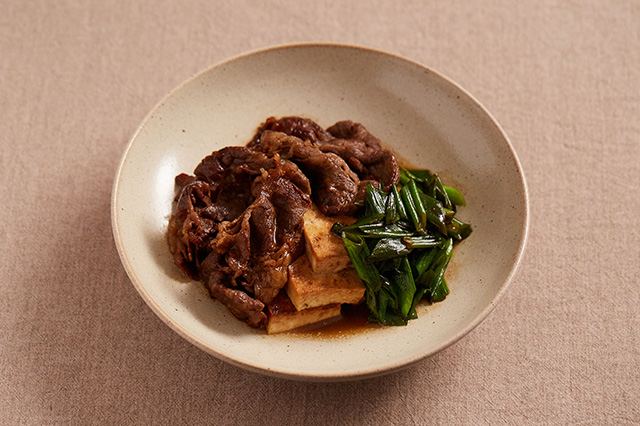
| Prefecture | Kyoto (京都府) |
|---|---|
| Region | Kinki |
| Japanese name | 肉豆腐(にくどうふ) |
| Reading | Nikudōfu |
| Home area | Kyoto City |
| Main ingredients | It's not just beef, cotton, tofu. |
History and Origins
Meat tofu is a simple dish made of beef and tofu and stew. A chicken is often used as a traditional Japanese vegetable. (The nine-pointed wax is characteristic of the leaves that eat the green leaves.) In 771, it was thought that when the Yasai Shogi temple was built, it was planted by the Sasaigigigigigigis (singing the rice shrine) that brought it from the speed of the wandering. Seeds have been passed on and protected by farmers for generations. This is how the King of the Leaves comes to be called. According to one theory, a fine mustard was grown near the nine articles of the Peace Age. Inside soft leaves are a lot of walnuts, sweet and scented. We're known for the wide range of uses - flavors, dishes, cooking, cooking, cooking, cooking, cooking, soup, and soy sauce. Now grown year by year, it is the winter season when the rice is more sweet and sweeter. The history of beef from Kyoto is old; the oldest Japanese beef book, "The Cow of the Kingdom," written in 1310, contains "The Cow." In the early Meiji period, a roastery was invented at Kyoto City. The Kyoto Prefecture and Kyoto beef campaigning council has named the fine beef meat that is produced and raised within the government "Kyoto." It's defined as a black hair, the longest kept in Kyoto Prefecture, and meatd on the second market in Kyoto City central market. The raw water of Kyoto is made into delicious tofu because it is soft water and doesn't have less minerals.
When It Is Eaten
"Creed tofu" is known as winter's regular dish. The nine articles are characteristic of changing the appearance and flavor of the cucumbers during the season, while the spring is a soft flavor, and the fresh flavor from summer to autumn is a pleasant experience. It's cold between December and February. The unique nine-sence seams add to the sweets when the frost falls. And the thickness of the leaves increases, so there's plenty to eat.
How It Is Eaten
If you taste beef and tofu in the soup, and you get up well, add a piece of chopped sieve and then boil it up. The taste below comes with different flavors from home and from a husband to a different personality. The nines are delicious when the sweets are served quickly.
Recipe — Serves 3
Ingredients
- 200 g thinly sliced beef (すき焼き用)
- 160 g firm tofu
- 1 bunches green onion
- 500 ml dashi stock
- 1 tbsp sake
- 2/3 tbsp sugar
- 2 tbsp soy sauce
- 1 tsp mirin
- salt, to taste
- to taste ) to taste chili pepper
Method
- I'll cut it to size, so it's easy to eat.
- Beef should not be washed in the water, so I'll cut the water.
- Put it in a pot, boil it, add wine, sugar, beef, tofu, and cook it for about two minutes in a medium fire.
- Add soy sauce and garlic to the lid and cook it for about ten minutes with a weak flame.
- Add nine drops to the finish, light the fire and taste the salt.
More About Nikudōfu
Meat tofu is cooked with beef and tofu and stewed stew. Using soy sauce, wine, garlic and sugar, you can taste something similar to roast. It's a native food of Kyoto City, and it's a winter's standard dish.
Overview
Although beef and tofu are the main ingredients, other mushrooms are used, such as onions, onions, chimps, and peas, and white waterfalls. Kyoto City is often made in paymen and homes, not to mention frequent use of the traditional vegetable here. The low-percent flavor is different from the home and the husband's. As for meat used, it is commonly used in the land of Kyoto, as well as in the land of Kyoto, but also in pork. It's becoming widely accepted as a national product, as well as as as a private home or a liquor store.
The Difference between Koyaki and Koaki
Soyaki is similar to the way in which both of you use meat, tofu, tofu, and so forth, as well as to make a taste. However, the difference between the meat tofu served in a pot and the meat tofu served in a plate or bowl, and the taste of meat tofu not eaten with melted eggs instead of roasted, and the meat tofu made the main ingredient of tofu and the pork used as a food.
Text adapted and translated from the Japanese Wikipedia article 肉豆腐 by its contributors, licensed CC BY-SA 4.0.
Dish data: Ministry of Agriculture, Forestry and Fisheries (MAFF), “Uchi no Kyodo Ryori” (Our Regional Cuisines) database, used under the Public Data License (PDL1.0); translated and adapted from the Japanese original.