Home / Kyoto / Nishinnasunasutonishinnotaitan
Nishinnasunasutonishinnotaitan にしん茄子
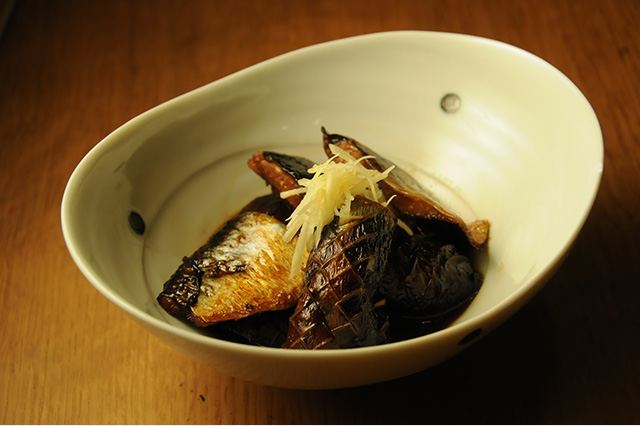
| Prefecture | Kyoto (京都府) |
|---|---|
| Region | Kinki |
| Japanese name | にしん茄子/茄子とにしんの炊いたん(にしんなす/なすとにしんのたいたん) |
| Reading | Nishinnasunasutonishinnotaitan |
| Home area | The whole area. |
| Main ingredients | I'm gonna get you a little under the skin. |
History and Origins
In Japanese cooking, we use the combination of food between ages and seasons and combination of foods that are good for each other's food. like "I'm wearing a tie" or "I'm wearing a stick with a tie" or "I'm wearing a tie." The "sachiko" is also known as a "single," which combines fat - rich niacins and fat to mix well in. A lack of insulin is a food preserve that takes away the entrails of herring and has been dried. It's a background, and there's a wide range of native dishes with herring. It's delicious to use the native Kyoto City seeds, such as "The Mountain" and "Grouping," From the end of Meiji to the early days of Japan, "The Mountain" is over other species, and at one time it takes from 60 to 70 percent of what is grown in the city. It's characterized by a sense of food which makes the meat soft. "Grabes" is an old-fashioned form of bush in the northern part of the country. The meat is sour and sweet. Kyoto Prefecture has determined that vegetables grown in the government from old age are "Kinya traditional vegetables" and are working on Bursham. There are definitions for branding, pre-meditated additions for all XZQ100Xs, pero-sid-syda, and also identified as "Greewood" and "globe."
When It Is Eaten
It's often eaten from July to September, summer to autumn when the harvest comes in season. Indigentness is used as an unsurpassed item all year round to save it.
How It Is Eaten
I'll make it using absent herring. A lean herring, dried in a pot, needs to be soft enough to be wrapped overnight in rice lye. If you add alcohol and water and boil them in a pot for several hours, you can take a few hours to digest them, add sesame oil and sugar, and then add some more hours to the soup, and you can enjoy the flavor with the kok. It'll take a long time to prepare down, but the taste is more delicious than that.
Recipe — Serves 4
Ingredients
- 4 eggplant
- 3 ニシン
- Mix: 2 1/2 cups water
- Mix: 4 tbsp soy sauce
- Mix: 2 tbsp sugar
- Mix: 2 tbsp sake
- 2 tbsp mirin
- bancha tea, to taste
- rice-rinsing water, to taste
Method
- I'll wash herring well in water and put it on rice yuzu soup for about five hours.
- I'm going to do it without herring. I'm going to do it for 30 minutes.
- I'll cut my hands in half, put it in the water, and pull out the hatch.
- I'll cook half of herring in A.
- When the herring is tastey, I put a little garlic in it and cook it in the middle for about 20 minutes.
Dish data: Ministry of Agriculture, Forestry and Fisheries (MAFF), “Uchi no Kyodo Ryori” (Our Regional Cuisines) database, used under the Public Data License (PDL1.0); translated and adapted from the Japanese original.