Samenosukume 鮫のすくめ
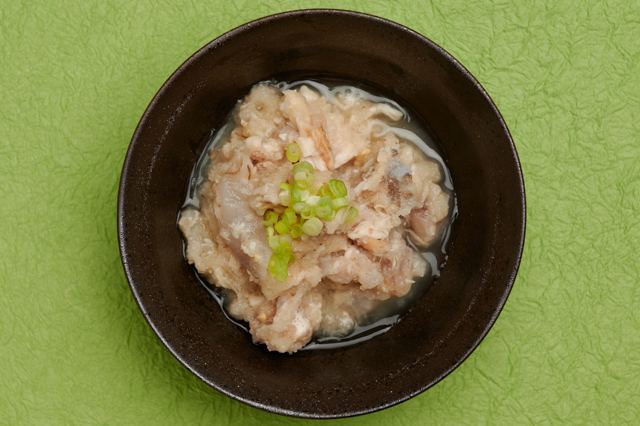
| Prefecture | Aomori (青森県) |
|---|---|
| Region | Tohoku |
| Japanese name | 鮫のすくめ(さめのすくめ) |
| Reading | Samenosukume |
| Home area | Tsugaru |
| Main ingredients | It's called the "Creep." |
History and Origins
The word "snake" comes from "covered with vinegar." In Tsugaru region, they pronounce it "the first day." In the Tsugaru region, it is known that sharks were eating from the ruins of the Tari period, and local food cultures and sharks are inextricably related. In particular, the shark shark has more than 90 percent of the shark catch in the county, and still has the usual cuts and heads on the head of a fresh fish shop. It is said that the "Feel's Claw" was designed to eat the shark without leaving it. It's an essential dish for New Year's cooking, and it can be reduced to a large weight in some areas. In addition to the scooping, sharks have been eaten by various cooking methods, such as rice, sashimi, suck, and boiling.
When It Is Eaten
The main dish is eaten as New Year's food. The white taste of sharks fits well with the vinegar taste, and it matches the flavor of the radish or cabbage. Sharks are often thought of as smelly fish, but the ones treated immediately after fishing hardly smell anything, and they are now familiar with homes sold at supermarkets and fresh fish shops in Tsugaru.
How It Is Eaten
It's a dish that uses the shark's head. I'll boil my head while it's hot, take out the part that I can eat, including the soft bone, and taste it with a vinegar taste. The white shark's body and the fresh sweet taste of the radish or cabbage's sour taste, the creamy taste of the soft bone is delicious and is a rare taste that no other animal can taste.
Recipe — Serves 10
Ingredients
- 300 g shark
- 1 daikon radish
- a pinch green onion
- Mix: 3 tbsp vinegar
- Mix: 2 tbsp miso
- Mix: 2 tsp sugar
- Mix: 1 tsp salt
Method
- I'll have to boil the shark and give it to you.
- It's loosed in a hot place, put it in a storage container, spread it tight, and stay overnight.
- I'll keep the seasoning A in advance.
- Put down the large root, put down the gold, light down, and add three flavors A.
- Cut one piece at a time and mix it up so that it doesn't spoil itself.
- I'll put it on the bowl and then cut it into a small cut. (May I mix)
- We're boiling sharks and using vinegar, so we can keep them for two or three days. I used to eat every day during New Year's Eve until I was gone. Sometimes we use cabbage instead of radish.
- Cooking in the '40s: When using leathered sharks, boil the shark' head straight and take the sand that is on the skin. Change the hot water and boil it again. Don't worry. Take care of yourself while you're warm. The following is the same. I used it for baking and fried food.
Dish data: Ministry of Agriculture, Forestry and Fisheries (MAFF), “Uchi no Kyodo Ryori” (Our Regional Cuisines) database, used under the Public Data License (PDL1.0); translated and adapted from the Japanese original.