Home / Ishikawa / Sawaranokobujime
Sawaranokobujime さわらの昆布じめ
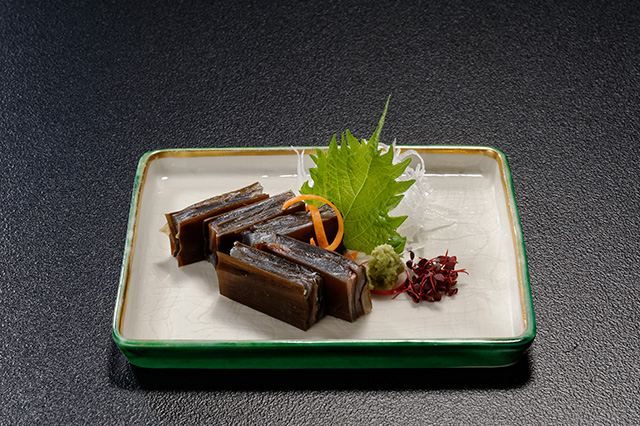
| Prefecture | Ishikawa (石川県) |
|---|---|
| Region | Chubu |
| Japanese name | さわらの昆布じめ(さわらのこぶじめ) |
| Reading | Sawaranokobujime |
| Home area | Kanazawa City area |
| Main ingredients | (Sawala casserole) |
History and Origins
It was a cloth that wrapped the sala's knife. When it comes to Sawala, it is known that it is used for yakikiki or something. But in Ishikawa Prefecture, they call them "Sawala" in their dialect. The macabre, the blackfish, and the like are also packed with sagualas, and so are the names of supermarkets and restaurants. One of them is often called "Yagi Sakura" or "Sagoshi" in dialect. The white and white taste of taste can be used for various dishes, such as fly, municel, boiling, and so on. Among other things, "Twisty of the Touch" is a unique way to cook. A piece of thin sala cut into a piece of cloth, wraps it in a cloth, and then goes to bed for half a day and eats it. The Toyama Prefecture, which was once a subsidiary, is based on similar traditional diets and is called "sus" rather than "sara." The fabric used in one bowl has also been sold. This one is often acted upon as a school food.
When It Is Eaten
Although there are rags, Thailand, and obsidian rags, Sawala is cheap and is eaten daily even in the average household. It also depends on the type of squid, but it's relatively easy to collect and it's open to freezing in spite of the season. In one case, names vary according to the size of the fish. For the success fish, they're treated as a product. From that point on, New Year's food often has a bowl of rice.
How It Is Eaten
Sometimes they remove the cloth from the cloth, eat it in a stinging state, then they hang on to it, cut it, and eat it all. It's made of cloth that gives the flavor a sharp spot, and adds a unique sense of texture. It is common to add to it such things as sesame oil or sashimi oil. Washing the cloth with Japanese wine and rice before cooking brings out more flavor and gives the fish a fresh smell. There are ways to make the leftover fabrics taste sweet, or to boil the juice.
Recipe — Serves 4
Ingredients
- 1 Spanish mackerel (鰆)
- salt, to taste
- kelp (konbu), to taste
- sake, to taste
- vinegar, to taste
Method
- The saguaro is three pieces of salt: cut the middle bone, peel the skin, thin the skin, and shake a little salt.
- To clean up the dirt, to clean the surface with wine and vinegar, to wrap up a piece of a sauerkraut in a wrap, wrap it up with a rubber, to wrap it up, and then to place it for a day.
Dish data: Ministry of Agriculture, Forestry and Fisheries (MAFF), “Uchi no Kyodo Ryori” (Our Regional Cuisines) database, used under the Public Data License (PDL1.0); translated and adapted from the Japanese original.