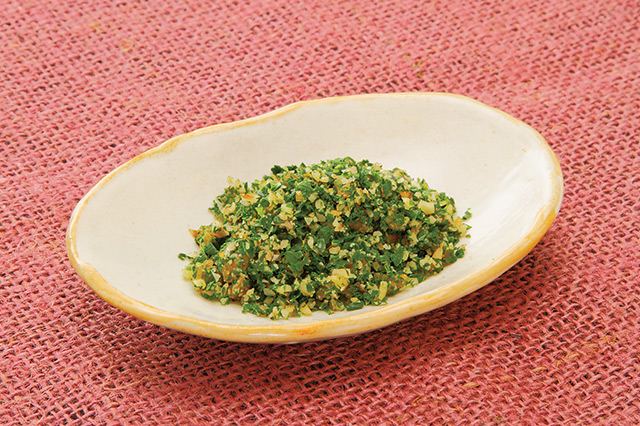
28 19 うこぎのほろほろ
| Prefecture | Iwate (岩手県) |
|---|---|
| Region | Tohoku |
| Japanese name | うこぎのほろほろ |
| Home area | I'm going to get you to the state. |
| Main ingredients | It's delicious. It's delicious. |
History and Origins
It's the same tree in the yakgi family, and it's a two-year-old tree. There are many short branches, and there is a thin strip of seven-millimeter. We'll harvest and eat the sprouts that grow in spring. It's quite old to see a saw in Japan. It's also found in the oldest book in Japan. There is a history that has been used mainly as a relief food, but in fact it is rich in nutrients, polyphenol, food fiber, calcium, vitamin C, and so on. The "shoe-shoe" is like boiling a" saw, carving it, and mixing it with a mixture of finely chopped radishes. It is said that the name "snake" comes from the meaning that once a warrior of the Buddha tried to eat, he fell from the chopsticks. Even today, around Hizuoka, "shoes" are planted on the edge of fences and fields.
When It Is Eaten
In spring, when the saws sprout, they are eaten. It also makes sense to make up for the nutrients that were missing during the winter. In the past, it was used as a fuel for crop failures.
How It Is Eaten
I'll boil the cucumbers and cut the water tightly. I'll mix it with finely carved radish and chrysanthemum. Sometimes the broth is replaced by a large, seasoning root. If there's more saws in making, it'll taste pale, but if there's too much boiled root, it'll last long, and if there's too many cucumbers, it'll come up with moss. You can take me to dinner or sit me down on bread and eat it.
Recipe
Ingredients
- 15 g ukogi greens
- 10 g daikon radish
- 20 g walnuts
- as needed salt
- as needed soy sauce
Method
- The saws are thoroughly boiled with salted water (in excess of salt) and are cool for color, cool for cool water, stiff for hard water, and finely chopped for moisture.
- Tasted radish, finely chopped, and mixed well with 1. (You may mix salt, so that you like it, salt, soy sauce, white Gomma, carrots, and red-stained salt.)
Dish data: Ministry of Agriculture, Forestry and Fisheries (MAFF), “Uchi no Kyodo Ryori” (Our Regional Cuisines) database, used under the Public Data License (PDL1.0); translated and adapted from the Japanese original.