Kakimeshi かき飯
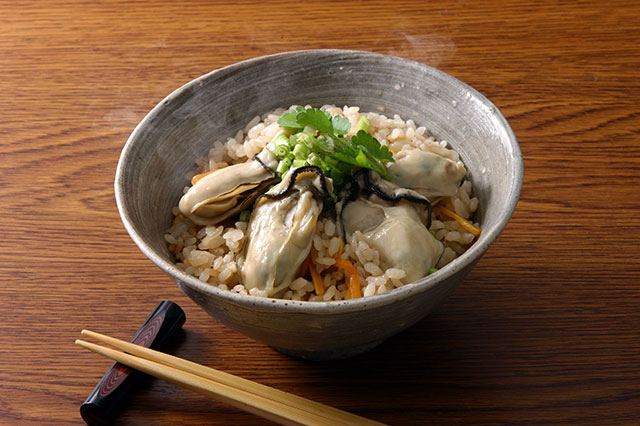
| Prefecture | Hiroshima (広島県) |
|---|---|
| Region | Chugoku |
| Japanese name | かき飯(かきめし) |
| Reading | Kakimeshi |
| Home area | Etashima City. |
| Main ingredients | So I'm going to start with a couple of things. |
History and Origins
The rice is made around Etashima City, where there is a high yield of rice and rice that has a lot of taste. It is known by the shell that the Japanese eat the rice in Hiroshima has a long history, and that the old man was eating the coconut from the time he was born. And it was thought that breeding began in the 1500s, and now that Hiroshima Prefecture is a 60-percent water source in the whole country, ZZQ01010X is the number of years in fishing and growing.) The bay around here has a quiet wave but with a moderate current. Also, by the flow of the river in the bay, from the rainy season to the summer, there will be a thin layer of salt in the seawater, and it will be a favorite environment. Also, there are good conditions for growing a brush, such as the nutrients that flow from the mountains of China. The island of Hiroshima is characterized by a large, rich taste. Not only the flavor, but the county has its own food health precedents, and the high safety is also the reason why it's popular. The rice is also popular as a station valve, and the "Creepy" and several stations are sold.
When It Is Eaten
It's time to get a cough. In Hiroshima, the weed is washed in October to May. December to February is especially delicious because there are a lot of glycogens that are the source of flavor.
How It Is Eaten
I'll put a bottle of wine on the wash. I'm going to cook my meals with a slice of carrots, beans, oil, and soup. Finally, mix the brush together. It may taste and cook only the stirrup along with rice.
Recipe — Serves 4
Ingredients
- 480 g(3 cups) rice
- 300 g oysters
- 100 g burdock root
- 100 g carrot
- 1 aburaage (fried tofu pouch)
- 3 cups dashi stock
- a pinch seri (Japanese parsley) (mitsuba)
- Mix: 2 tbsp sake
- Mix: 3 tbsp sake
- Mix: 1 tbsp light soy sauce
- Mix: 1 tsp salt
Method
- I'll have to dip rice in water for about 30 minutes.
- I have to wash my soap in salt water. I have to wash it. I can water it. I'm going to put a little comb on the top of the board, and I'm going to apply the lubricant A to the paste, and then I'm going to take it if the surface becomes colon. I'll keep the soup.
- I'll have to cut the carrots in a chop, dip them in water, and take a pot. Oiling is served in hot water and cut short books.
- I put rice in the rice bowl, but I add soup and yuzu sauce B and 2 and 3 and I will boil it normally. When you're cooking, put a brush in it and water it for ten minutes and mix it with a sakuri to cut it.
- I'll cut it into 1 cm.
More About Kakimeshi
A variety of dishes made of oysters. The oysters grow in a popular rice menu.
Ingredient
The oysters are prepared with pre-heat oil, glue, boiling, and the sauce from which they come. When you cook the rice, add boiling oysters to the rice, and then steam them. It's a cook's meal, but if you overheat the oyster too much it will make you small and hard, so you don't usually cook rice and oysters together.
Main ingredients
Kaki rice, onions.
The main flavor.
Tasty sesame sesame, soup, and salt.
Station valve out.
There are several famous stations as well. "Sacrifice Station's Station" or "The Station's Station at Shirishima Station." "The Station at Hiroshima Station, using Hiroshima, is called "Saishima Station."
There are other places that have been introduced, such as Hiroshima or the "weekly Post," such as Kaki rice from the main restaurant of the restaurant, or the Hiroshima Pharmaceutical Pharmacy.
Text adapted and translated from the Japanese Wikipedia article かきめし by its contributors, licensed CC BY-SA 4.0.
Dish data: Ministry of Agriculture, Forestry and Fisheries (MAFF), “Uchi no Kyodo Ryori” (Our Regional Cuisines) database, used under the Public Data License (PDL1.0); translated and adapted from the Japanese original.