Ikanokakeae いかのかけ和え
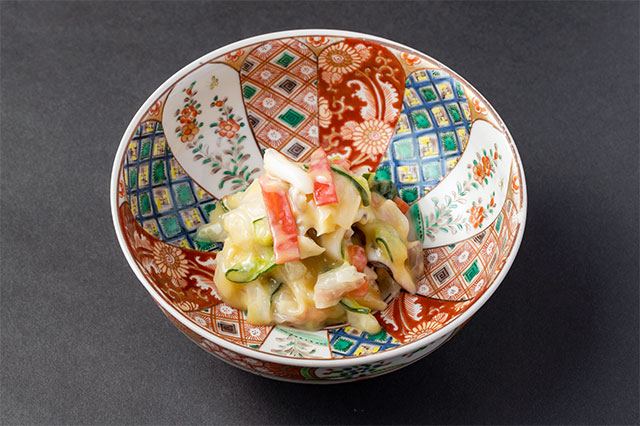
| Prefecture | Saga (佐賀県) |
|---|---|
| Region | Kyushu & Okinawa |
| Japanese name | いかのかけ和え(いかのかけあえ) |
| Reading | Ikanokakeae |
| Home area | All within the province. |
| Main ingredients | A squid, a vegetable. |
History and Origins
There's food in all parts of the country called "I'm Good." "I'm Good." "I'm Good." "I'm Good to You." "I'm Good to You." "I'm Good to You." "I'm Good to You." "I'm Good to You." "I'm Good to You." "I'm Good to You." "I'm Good to You." On the other hand, it was one of the foods that is essential to large numbers of people, such as the Hare Day, the fields, and the harvest, and it was usually the dishes that we eat, and it's one of the dishes that we can say, "We do all kinds of food just during the festival." Fish and fish that are used vary from home to season and from region to region. In areas that are close to the clear sea, for example, they may use funas in places where the eagles, Sabas, Aji, moats and Creeks are plentiful. Especially during the season when the fated sabbatical began to be boiled, it was around fall festival, and it was often used in fall festival. When using blue fish, it is used to remove and open three pieces of rice, to shake the salt lightly, and then to wash it in vinegar and to soak it raw. And sometimes they use squid and whales. Since the dicon, often used in the "C" season is sweeter when the frost falls, at that time the taste spreads to your mouth and you will have a more delicious "Sing."
When It Is Eaten
Besides being eaten annually as a everyday food, they are often behaved in groups of people. It is also made for the festival of the Shinto festival, and, above all, during the fall festival season, it is often used in the best season of the year by the Saba, and because of the best season of the year.
How It Is Eaten
The white goma is often roasted in fried bread and then carefully stir it until it comes out of the goma oil. The squid removes the wax from the fan and gently pours it in boiling water before cutting it short. I'll cut dicons and carrots in short volumes and put salt in them. Add white pepper, sugar, and vinegar to the millet by adding them in turn. It's finished with materials such as squid and vegetables. There's also an oven in the vinegar flavor that holds the spores and citrus.
Recipe — Serves 4
Ingredients
- 100 g squid
- 150 g daikon radish
- 100 g cucumber
- 20 g carrot
- salt, to taste
- 1 tbsp sesame seeds (いり)
- 1 tbsp miso
- 1 tbsp sugar
- 1 tbsp vinegar
Method
- The squid takes the wata and cuts it into short books.
- Dicons, cucumbers, and carrots cut short a centimeter wide and have salt.
- You can use a bowl to rub the Goma well, add it to taste, sugar, vinegar, add it to the recipe, add it to the sauce, add it to the recipe, add it to the recipe, add it to the recipe.
Dish data: Ministry of Agriculture, Forestry and Fisheries (MAFF), “Uchi no Kyodo Ryori” (Our Regional Cuisines) database, used under the Public Data License (PDL1.0); translated and adapted from the Japanese original.