Ganchajiru がんちゃ汁
| Prefecture | Tottori (鳥取県) |
|---|---|
| Region | Chugoku |
| Japanese name | がんちゃ汁(がんちゃじる) |
| Reading | Ganchajiru |
| Home area | All within the province. |
| Main ingredients | I'm going to take you to the river crab. |
History and Origins
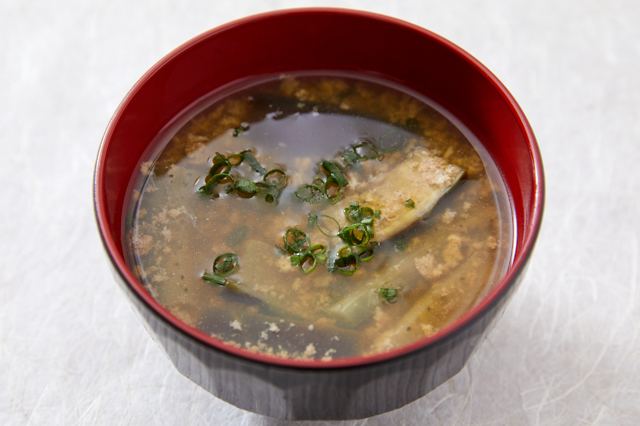
In Tottori Prefecture, it calls them "river crabs." And the Mosga crabs are born in the sea, grow in the river, and lay eggs in the ocean. It's a crab that's been known for a long time for many names, such as river crabs, sea crabs, and twitter. It's a crab that has been very close to us. The males are larger, so they are about 80 millimeters wide. There are fine hairs on the ankles and foot, and this is the name given to the "gay refuse" because it looks like. Now we cook with mixers, but in the past, we used to put living river crabs into stone mills and crush them until they were ground to powder. If you squeeze this together with water and heat, it will solidify, and the soft stuff will float in the juice. This soft substance condenses the flavor of the crab, and the juice itself has a good taste. "Custrum juice" is a dish where you can taste all the food that comes from a fish crab.
When It Is Eaten
You can eat from autumn through winter when the river crab is caught. The female's inner child is known as a rare taste, and when summer comes and fall, it will be traded at a higher price than any other creature known to the nearest species. It's characteristic of being small.
How It Is Eaten
The crab removes the shell, puts in a blender a quantity of water and crabs and crushes them until they become dodgy. I'll put it in a pot and put it on fire. When it is boiling, add soy sauce or wine, add a cut-and-snap ring and stop the fire. The seasoning is delicious even if it's just a bowl. It's okay to put in the tofu. The crab taste is very rich, delicious, and tastey, and even when you put it in yuzu soup, it produces a very good juice. However, since there are parasites called pneumococcus, it's imperative that you cook and eat.
Recipe — Serves 5
Ingredients
- 250 g river crab (モクズガニ)
- 1 eggplant
- 21/2 cups water
- 3 tbsp soy sauce
- 1/2 tbsp sake
- green onion, to taste
Method
- The crab removes the cover, removes the body's hakama, and removes the black part.
- Put in a blender a portion of water and a crab and break until it becomes a dodgy.
- It's not a good idea. It's a good idea.
- A man will cut long pieces with leather on top of a easily eaten size.
- I'll put the rest of the water in a pot and put it on fire. When it is boiling, add soy sauce or wine, add a cut-and-snap ring and stop the fire.
More About Ganchajiru
The soup is native to the Oita Prefecture region.
As a similar local dish, there are Tottori Prefecture and garlic in the jar.
Overview
The traditional method of slicing the freshly made twitter is to fertilize the shells alive, and in recent years mixers, such as monkeys, and then boil the salt into the juices of the soy sauce. Since the protein proteins of the crabs are gathered in the vegetable when you add them, many households use them. It is said that it was designed to taste the hard-to-eat fish.
Until the middle of the Showa period, it was a common domestic dish, but today it is rarely prepared in the home and rarely served in the restaurant. However, in the Sustengawa area of Oita Prefecture, it is still a common family dish, and after a fishing break in mid- August, it will be cooked and served by each family table. It's said that the local people were so curious about it as a treat that they divided it into neighbors.
Origin of Name
There are theories about the origin of the name. The name comes from the Japanese word kani, meaning "kani" and "king" in the Japanese language. But this dialect is disappearing.
Text adapted and translated from the Japanese Wikipedia article がん汁 by its contributors, licensed CC BY-SA 4.0.
Dish data: Ministry of Agriculture, Forestry and Fisheries (MAFF), “Uchi no Kyodo Ryori” (Our Regional Cuisines) database, used under the Public Data License (PDL1.0); translated and adapted from the Japanese original.