Nigui にぐい
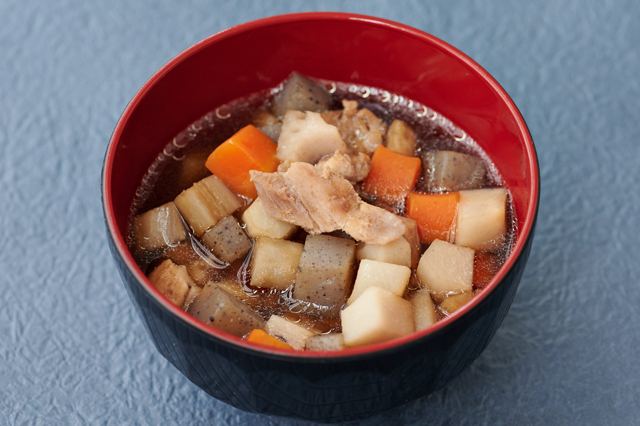
| Prefecture | Fukuoka (福岡県) |
|---|---|
| Region | Kyushu & Okinawa |
| Japanese name | にぐい |
| Home area | Premarital Area |
| Main ingredients | I've got chicken and chicken and potatoes and carrots and carrots. |
History and Origins
The chicken-free inductive cooking begins, and I'm sure you'll make a Buddhist dish, and you'll also make a celebration, such as a wedding. I'll pick out the odd numbers from any of these and cut them into three or four-minute corners. It's delicious, like the dish's sauerkraut (sour sauce) and steamed with soup. "Gee" can make tools smaller than normal stew into small pieces and full of juice. That taste is refreshing and relaxing. The first time I've been served as a soup, it's been called "sniff" because I've counted "second time" and "second time" when I've lost my temper. It is also called "snap" in the haiku. To finish it, it is used as a piece of dust or powder.
When It Is Eaten
The food that must be served for the festival and the wedding feast. They say they used to make chicken from what they had when guests came, and they often cooked chicken or chicken soup together.
How It Is Eaten
Both vegetables and chicken will be cut into half an inch. Vegetables are boiled down and spilled so as not to boil. I'll put chicken in the pot, vegetables in the dish, soup in the soup, and I'll cook it. It's about time I tasted it on the way and when the whole thing was boiling.
Recipe — Serves 3
Ingredients
- 200 g chicken
- 2 taro
- 100 g carrot
- 1/2 blocks konnyaku
- 50 g lotus root
- 60 g burdock root
- 600 ml dashi stock
- Mix: 30 ml soy sauce
- Mix: 30 g sugar
- Mix: 2–3 g salt
- Mix: 5 ml sake
Method
- Both vegetables and meat will be cut into half an inch.
- Only vegetables boil and spill so they don't break in shape.
- I'll boil the pot with chicken, vegetables and soup. It tastes good on the way.
- When the whole thing is cooked well, it's time to eat.
Dish data: Ministry of Agriculture, Forestry and Fisheries (MAFF), “Uchi no Kyodo Ryori” (Our Regional Cuisines) database, used under the Public Data License (PDL1.0); translated and adapted from the Japanese original.