Nigomi 煮ごみ
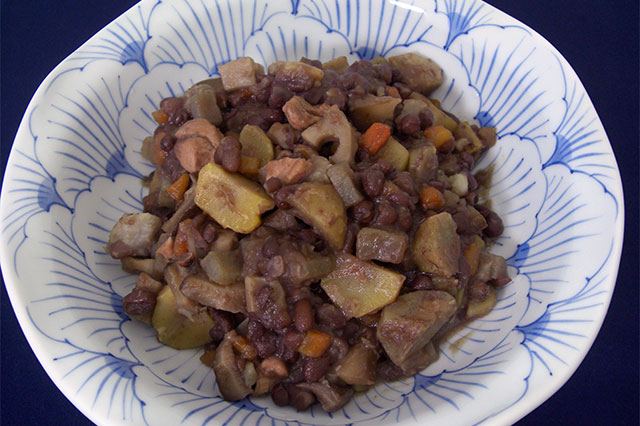
| Prefecture | Saga (佐賀県) |
|---|---|
| Region | Kyushu & Okinawa |
| Japanese name | 煮ごみ(にごみ) |
| Reading | Nigomi |
| Home area | All within the province. |
| Main ingredients | Vegetables, chicken. |
History and Origins
We're going to have to do something about it. It's a fall festival, called the Ten Commandments, where you give Mr. God thanks for the Nintendo and the gods of heaven and earth. In Iwaro City, I'm also doing this every October, and I'm working with the gods in so-called festival. The sound of drums calls it "Nurroton Tenton" and in addition to the dish, "sit" and "shoeing" are essential. "The garbage" is a dish that cooks raw vegetables, such as chicken, beans, lentils, and daisies with sugar, soy sauce and other flavors. It's called "Sing" and the simple taste of vegetables and the balance of nutrition are attractive. It is reported that the rest of the ingredients that were originally made after making the broth and that the juice was originally made for the purpose of not wasting the juice in the bowls of lentils and beans and beans and beans. She said that she had made a lot during the night before last and that she had been fed a bit by heat for the next two days.
When It Is Eaten
I have the habit of acting and eating with red food and sweet wine when inviting relatives at the fall festival. It is said that what was offered to guests for celebrations and festivals used cleanly shaped materials, and that the family ate bad stuff, such as scraps and scraps.
How It Is Eaten
The chicken also cuts the meat into about two-inch pieces and cuts the meat into equal sizes: sweet potatoes, carrots, goubou, and rencon. It's boiled down and ripped off by hand. The beans are boiled, and once the juice is washed, they are boiled again until it becomes soft. Put the soup in the pot, cut the vegetables and meat, and add the garlic and broth and cook it. When the fire is over, you can add some soup with beans, beans, and beans, and add soy sauce, wine, and sugar to taste. Sometimes fish and fish can be put in place of chicken.
Recipe — Serves 4
Ingredients
- 60 g chicken thigh
- 120 g taro (甘露煮でもよい)
- 60 g azuki beans
- 50 g carrot
- 40 g burdock root
- Mix: 4 tsp soy sauce
- Mix: 4 tsp sake
- Mix: 5 tsp sugar
- 270 ml dashi stock
- 60 ml azuki beans
Method
- The chicken will cut to about two centimeters in size. Sutoimo, carrots, govor, and remcon will cut into pieces about the size of chicken.
- It's soy sauce, it's small and it's ripped off by hand. I'll cut half of the lentils.
- The beans are boiled once, boiled in boiling water, and boiled until again and again. I'll keep the soup in this soup without throwing it away.
- I'll cook it for a while. Next, add carrots, sour chicken and lentils and cook more.
- Add some setto potatoes, add some beans, soup of beans, and boil them until they are soft. If they are cooked, they will taste and taste them in a bowl.
More About Nigomi
The garbage is a local dish from Saga Prefecture. It's a stew made in the kitchen.
In the fall festival in northern Kyushu, there are sashimi, sashimi, rice, red rice, rice, boiled heads and so on. But when you make these dishes, the pieces of food you make and the pieces of food you eat are boiled.
It's a vegetable scum stew, so to speak, but I've been preparing it for you by loosening the body of beans and baked rice. In-city is an inland area, and since fresh fish were formerly difficult to obtain, more tanned rice was used.
In addition to adding chicken in the neighboring town, there were times when rich families were added (the loss of all the tuna in Izushima City and São Paulo City). In Iwaro City, the soup has become more citrus and more "swift" than stew.
It is also said that he used cleanly shaped food to serve visitors, and used leftovers, scraps, and other bads for his family's meals.
Text adapted and translated from the Japanese Wikipedia article 煮ごみ by its contributors, licensed CC BY-SA 4.0.
Dish data: Ministry of Agriculture, Forestry and Fisheries (MAFF), “Uchi no Kyodo Ryori” (Our Regional Cuisines) database, used under the Public Data License (PDL1.0); translated and adapted from the Japanese original.