Home / Kumamoto / Hitomojinoguruguru
Hitomojinoguruguru 一文字のぐるぐる
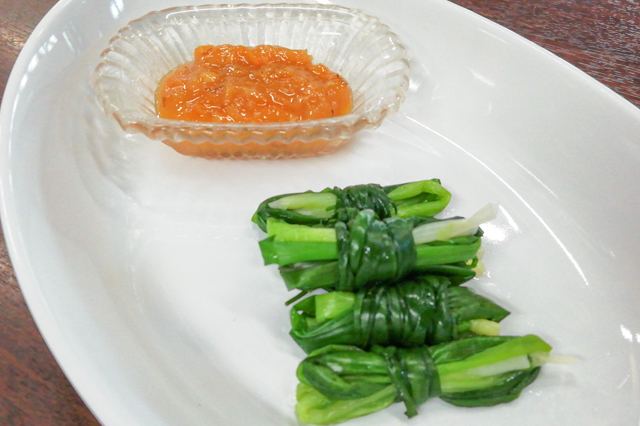
| Prefecture | Kumamoto (熊本県) |
|---|---|
| Region | Kyushu & Okinawa |
| Japanese name | 一文字のぐるぐる(ひともじのぐるぐる) |
| Reading | Hitomojinoguruguru |
| Home area | All within Kumamoto Prefecture. |
| Main ingredients | (A single letter in a string) |
History and Origins
It is said that in the sixth generation, in the days of Tokugawa Shinichi, and when the money for the post-fertile subsidy was tried to rebuild, it began to be thought of as the tip of a cheap, delicious drink when it was issued. One letter comes from the wife tongue of the time when the plant appeared to be the letter of the person or when the bow was called in one letter. One letter of Kumamoto Prefecture is a masterpiece with a distinctive growth of the white-rooted part. A circle is named after a single - root part of a smooth - turquoise root being wrapped around the axis and wrapped around the blue leaf. If you cut off the tip of a wound leaf with your finger, it will produce a tender juice, which will end the fold. This tightly wraps into the mouth so that the food is delicious and delicious and can enjoy its unique aroma and sweets. It's a simple dish made out of just one letter, but it's delicious if you put it on a vinegar or a bitter pepper. I can eat a lot of nutritious characters. The first letter grown since the Edo was originally spring, but the demand for annual native food has increased, and the growing season has increased, such as improved crops.
When It Is Eaten
One letter is now written all year round, but the spring end is when it's cold and sweeter than the winter. Many people feel spring coming when this dish comes out. In the past, it was essential for a festival of sweets, together with knapsacks, oysters, and sea shells.
How It Is Eaten
The letter is gently boiled and cooled, and then the white-rooted part is wrapped around the axis in a blue leaf. There you can put vinegar, bitter pepper, add to it, and enjoy the color and texture. It's been eaten as a snack for alcohol.
Recipe — Serves 4
Ingredients
- 120 g single letter (wakegi onion)
- 1 tsp salt
- Mix: 40 g white miso
- Mix: 2 tbsp sugar
- Mix: 2 tbsp vinegar
- Mix: 2 tsp mirin (sake)
Method
- One letter is to cut off the root and wash it well.
- Put plenty of water in the pot, put 1 teaspoon of salt in the pan, and boil it and shake a letter from the root. It's easy to stay strong, but I like it.
- After you have cooled it in cold water without giving it a break, you will take a firm breath and cut it out.
- It folds from the root to the base of the base 5 centimeters, and it folds around the base of the root, and it goes around the blue leaf. A carefully wound stringing each fat and size to be the same, makes a good look and a good touch.
- I'm going to add a mixture of seasoning A and vinegar. It's a favorite dish, and it's delicious, such as peppers and plums.
More About Hitomojinoguruguru
One letter of Gurgle is Kumamoto Prefecture native food. It's also called the spin of a character.
Overview
It's a dish that looks like a chicken. It's eaten all over the province, centered around Bearmoto.
It is said that a financial crisis in the sixth generation, Kuichi Shoichi Kuichi, in the days of Shinichi Shinichi, began to appear as a cheap and delicious fill of alcohol.
It is said that from rolling around (one letter) it was named "a gill". It's said that "the man" is originally another name for "the man" and has been used as a wife's language.
Originally, it's spring in the first letter, but because of the desire to eat it in the year as a local dish, improved species have been improved, and harvests are increasing. It used to be a dish that was essential for a festival, together with connacstas, mathematic and sea snail stews.
Materials
It's a type of a single letter of onions. It's called "the human character" (and it's called "the human character")
How?
I'm going to make sure that the local characters are all in the ice water. I'm going to roll around the leaf section at the base of the axle. Eat on vinegar sauce.
A footnote, a source.
Text adapted and translated from the Japanese Wikipedia article 一文字グルグル by its contributors, licensed CC BY-SA 4.0.
Dish data: Ministry of Agriculture, Forestry and Fisheries (MAFF), “Uchi no Kyodo Ryori” (Our Regional Cuisines) database, used under the Public Data License (PDL1.0); translated and adapted from the Japanese original.