Taipīen 太平燕
| Prefecture | Kumamoto (熊本県) |
|---|---|
| Region | Kyushu & Okinawa |
| Japanese name | 太平燕(たいぴーえん) |
| Reading | Taipīen |
| Home area | Inner Kumamoto Prefecture. |
| Main ingredients | (Laughter) |
History and Origins
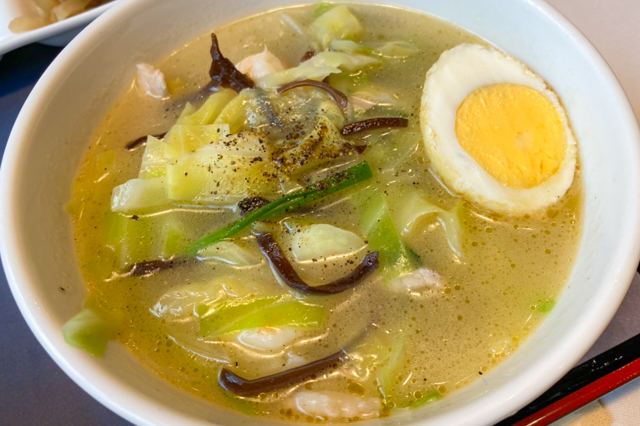
It is one of the best in Chinese restaurants and homes in Bear Book books, and it is characterized by many Chinese spring soups with steamed vegetables, pork, shrimps, peppers, and so forth. There's a family in Fukuoka, China, where there's a lot of soup to eat on special occasions, such as trays, New Year's, and other celebrations. It is said that later in the Meiji period and later in the Fukusaki Ministry of Fukusaki and Kusaki, the soup is introduced to the surface of the egg by means of a boil that has been released in place of the nest of the Chinese high-end food item. The idea is that the soup that we made with spring rain instead of frickets is to be used in spring rain. In Fukuoka, today's Fukuoka, we are told that this egg will be called a taipinon, and that if it is eaten, it will live in peace, and it can be called a delicious dish.
When It Is Eaten
In Chinese restaurants in Kumamoto Prefecture, they were used to having lunch, dinner, and post-drinks as a tasty, soothing noodles. There's a ramen store, there's a supply shop, and there's a lot of food at home.
How It Is Eaten
A good spring shower with a thick bushel often uses green spring rain, but there are places where Japanese spring rains contain potato starch. There are differences in ingredients and tastes, such as chicken soups and pig bones combined with white water, salt, and so on, in homes and stores.
Recipe — Serves 2
Ingredients
- 40 g pork
- 20 g(3mm) kamaboko (fish cake)
- 40 g() squid
- 40 g shrimp
- 1 egg
- 50 g spring Rain
- 1() wood ear mushrooms
- 20 g() carrot
- 60 g() onion
- 50 g(2cm) Chinese cabbage (cabbage)
- 10 g() green onion
- a pinch () ginger
- 1 tbsp light soy sauce
- 1 tbsp sake
- 1 tsp chicken stock (中華スープの素)
- 2 cups(400 ml) hot water
- 2 tsp sesame oil
- a pinch salt
- a pinch pepper
- a pinch oil for frying
Method
- The spring rains are boiled in a lot of hot water and cut to about 15 centimeters long.
- I'm going to go back and cut the eyebrows into thousands.
- Cut all the ingredients and prepare them. (Laughter)
- I'll boil the eggs tightly, peel them, and cut them in half. (Laughter)
- The sauce is oiled, chopped, roasted, and flavored. We roast pork and drink. Once in a while, I'd like to have carrots, carrots, and so on. I roast the cabbage stems and cook salt pepper.
- If you have a bit of roast, add shrimp, squid and cabbage leaves, add the soup and soy sauce that you have melted into the hot water, and let it boil.
- Add spring rain and taste and then add a sweet pepper oil.
- I'll place the eggs on a large vessel and put them on four rices.
More About Taipīen
What's Toshishio?
In Fukuoka, you read "Tippin Yen" in the language of the native Chinese Fukuoka province. It's called the Fukuoka. I read, "I don't know, I don't know," or, "I don't know, I don't know." and I read, "I don't know. It's spring rain soup, shrimps, squid, pork, tassels, and giraffes. Here in Kumamoto Prefecture. It's a kind of noodle dish.
China's Tadashi.
Tuping Yen is a native dish from Fukuoka, China. It's like soup in a duck's bowl with eggs. The duck egg, in Fukuoka, is the same sound as the "auroon egg" in the Fukuoka language, but it's also the same sound as the "creeping" in which the war rages. When the war is over, it's going to be plain from above. And in Fukuoka, there is a distinctive tooth-skin for a mann whose meat was crushed and wrapped in a sweet potato flour. The combination of these two ingredients is a "sing" and "same" is the sound of "same" and so it is celebrated as "peace feast" and is prepared as a banquet dish, such as a wedding. Even in Taiwan, where there are few people from Fukuoka who are separated from the Taiwan Strait, it can be served as a banquet dish.
And yet, in Chinese, the name for bird eggs is limited to the southern, central, eastern, western, and southern Taiwan, and elsewhere.
I'm Tadashi from Japan.
It is said that in the Meiji period, Koyumi passed on to Japan the Japanese dish of Fukuoka's cooking. It is said that after receiving a message from Japan, the seeds of the spring rain came to be used in place of the chicken eggs, instead of the duck eggs that were difficult to obtain in Japan. This oven has transformed the soup, the soy sauce, from soup to soy sauce.
Around Kumamoto City, it is a popular dish that is viewed as the menu of Chinese restaurants and served even for city school meals. In September 2008, Japan's Hijigi shop adopted the menu and made it possible to eat in parts of the Kanto region. I was also introduced to you about this. In addition to Kumamoto City, the southern city of Tsubagakure, and in southern China, it is used for school meals in elementary and middle school schools.
Just like ramen, so there is a variation in the flavor of citrus oil, salt and toncrum in soup. And there are a thousand different kinds of eggs in a store or home, such as boiled eggs and quail eggs instead of fried eggs. And while the spring rains used are the center of the spring spring rains from China, sometimes Japanese spring rains are used, with starch from the bell.
In recent years, the use of relatively low-caloric spring rain, the rich use of vegetables on the clothing, has been noted as "Healthy-minded Noodle" and has been published as a cupnut from Eastwater, Acecock, and Western Japanese food industry. It was also sold in the same year and in some convenience stores. In addition, in 2006, a cup of rice paddies from Yonezawuzu's home spring rain was introduced. There are products that have been retrace-packed with materials, and taste-sharing ramen sells such products.
In addition to that, in Nagasaki City, in Nagasaki, Ezuzu Building and China's Gardens are on the menu in New Chinatown. The Fukumoto from the Fukuoka Department has many opportunities to participate in legal affairs in the temples of Nagasaki and other temples, and Kumamoto and Nagasaki's Fukuoka have been able to communicate with one another, so it is believed that they were reached from Kumamoto to Nagasaki.
History
The original founder is called the Chinaian Fair (Kumamoto CitySC) - the eighth floor, the 3333, and the closing of 2015 - but there are theories that have originated in the gardens of ZQ133X and the Redbeam (ZQ133X Frequent). In his book "Yuji" (The Yuka) he analyzed the origin of this point, saying, "These stores were built between 1933 and 1944, and Tsubagakura was more likely to have been exchanged with information because of strong connections, and he doesn't know what was born of them."
Text adapted and translated from the Japanese Wikipedia article 太平燕 by its contributors, licensed CC BY-SA 4.0.
Dish data: Ministry of Agriculture, Forestry and Fisheries (MAFF), “Uchi no Kyodo Ryori” (Our Regional Cuisines) database, used under the Public Data License (PDL1.0); translated and adapted from the Japanese original.