Tojiko mame とじこ豆
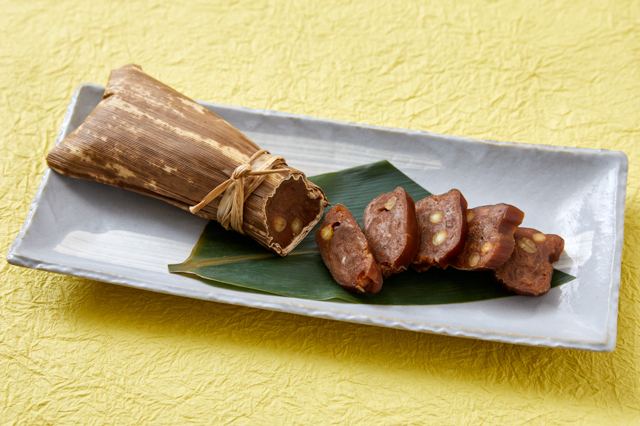
| Prefecture | Kumamoto (熊本県) |
|---|---|
| Region | Kyushu & Okinawa |
| Japanese name | とじこ豆/豆菓子(とじこまめ/まめがし) |
| Reading | Tojikomamemamegashi |
| Home area | Mushrooms, Ikes, |
| Main ingredients | Soy, flour, sugar. |
History and Origins
Named "Kinji beans and lentils," meaning that they were wrapped up with a dough of sweet flour. In the Kokashi Gama district in northern China, it is the plain taste of the native sweets that were always prepared and eaten with New Year's food, such as the old year's snack. First, put sugar and water in the pot and put roasted beans in the melted area. When it is soft, mix it with flour. If you oil the frying pan and paste it until the flour becomes transparent, you wrap it in the bark of the bamboo and water it. Although I used to use peas, now they are made of peanuts with taste and flavor, and they're useful without cooking like beans. There are variations in the fabrics, such as the dipper and the pepper, and the sugars, not only in black sugar, but also in three hot sugars, sugars and sugars, or blending them together to produce conchs in the home and in the region. It's also known how to make the last steaming process and roll it around.
When It Is Eaten
It's the candy that's been on the crescendo ever since, and it's the candy that's been on the crescendo. In Yamakashi City, it used to be eaten on New Year's Eve. The farmers grew such raw materials as beans, flour and black sugar. I used to do farm work and bring gifts.
How It Is Eaten
Cut into a one-centimeter-long slice and eat it as it is, but it can be lightly roasted or baked and heated. It will taste good.
Recipe — Serves 30
Ingredients
- 400 g soybeans
- 1 kg wheat flour
- 400 g sugar (三温)
- 400 g sugar (brown sugar)
- 1 tbsp salt
- 900 ml water
- 4 tbsp oil
Method
- Mix flour, sugar, and salt well so that they don't become melted with a little water.
- Soy sauce is cooked as sweet as fried bread, not to be soaked in boiling water, and then mixed with it in 1.
- Hotly heated and unburned pans, and oiled to the point where they were not burned, and then mixed up into two or three pieces.
- I'm sure you'll be able to boil it with a sieve of about 30 minutes in the bark of a bamboo.
- The big beans are sweet and sweet. If you mix three degrees with a black sugar, you will have a better color than just the black sugar.
More About Tojiko mame
Tojiko mame (とじこ豆) is a traditional confectionery from Kyushu, Japan, particularly associated with Kumamoto Prefecture.
Overview
Tojiko mame is a local sweet mainly produced and consumed in Kumamoto Prefecture. It consists of a sweet dough made from wheat flour and sugar, into which roasted soybeans or peanuts are mixed. The mixture is shaped and firmed up using a bamboo mat, then cut into slices approximately one centimeter wide before serving.
This confection is commonly prepared for annual events and festivals, and in the Kikuka area of Yamaga City, Kumamoto, it is a staple treat served at ceremonial occasions such as weddings and funerals, as well as during New Year celebrations alongside other festive foods. Originally, Tojiko-mame was made as a preserved food for farmers, serving as a snack during busy farming seasons or as a gift. Traditionally, it was also enjoyed toasted over a charcoal fire.
The recipe and ingredients can vary by region and household. While the dough is typically sweetened with brown sugar, other types of sugar such as refined sugar or cane sugar, or blends thereof, may also be used to enhance the flavor. Although roasted soybeans were originally the standard ingredient, peanuts, which provide a pleasant crunch, have become increasingly common in recent years.
Etymology
The name "Tojiko-mame" is derived from the Japanese words meaning "to enclose beans" within the sweet wheat-flour dough. Alternative pronunciations include "Tochiko-mame" and "Toshiko-mame."
Ingredients
Typical ingredients include:
- Wheat flour
- Sugar (brown sugar, refined sugar, cane sugar, or blends)
- Roasted soybeans (or peanuts as a substitute)
- Water
- Oil
- Bamboo leaves (for wrapping)
Note: In some households or regions, yuzu citrus or ginger is added to the dough for extra flavor.
Preparation
- Heat sugar and water in a pot until the sugar dissolves. Add roasted soybeans (or peanuts) and cook until softened.
- Add wheat flour and mix, kneading the dough thoroughly.
- Heat oil in a frying pan and continue kneading the dough until it becomes translucent.
- Wrap the kneaded dough in bamboo leaves and steam until finished.
Alternatively, a simplified method involves shaping the dough using a bamboo mat without steaming.
Text adapted from the English Wikipedia article Tojiko mame by its contributors, licensed CC BY-SA 4.0.
Dish data: Ministry of Agriculture, Forestry and Fisheries (MAFF), “Uchi no Kyodo Ryori” (Our Regional Cuisines) database, used under the Public Data License (PDL1.0); translated and adapted from the Japanese original.